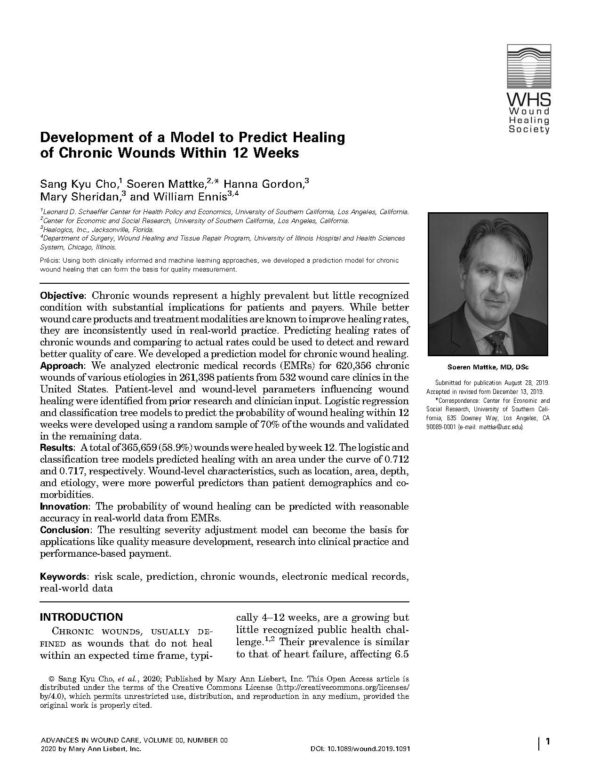
Researchers from the University of Southern California (USC) in partnership with Healogics have recently produced a predictive model to identify wounds most likely to heal within 12 weeks. Unlike other models that have been previously published, this model utilized EMR data from over 600,000 wounds, allowing for highly predictive classification across a variety of wound types. Findings from this model also indicated that a wound’s characteristics at initial presentation, such as area, depth, and location, are far more powerful than the patient demographics or comorbidities in determining whether a wound will heal.
Learn More
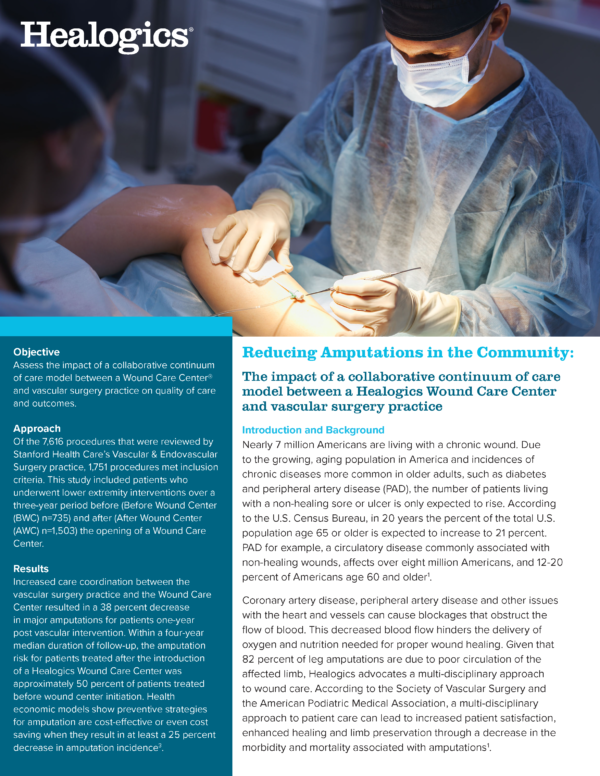
Healogics assessed the impact of a collaborative continuum of care model between a Wound Care Center® and vascular surgery practice on quality of care and outcomes. Of the 7,616 procedures that were reviewed by Stanford Health Care’s Vascular & Endovascular Surgery practice, 1,751 procedures met inclusion criteria. This study included patients who underwent lower extremity interventions over a three-year period before and after the opening of a Wound Care Center.
Learn More
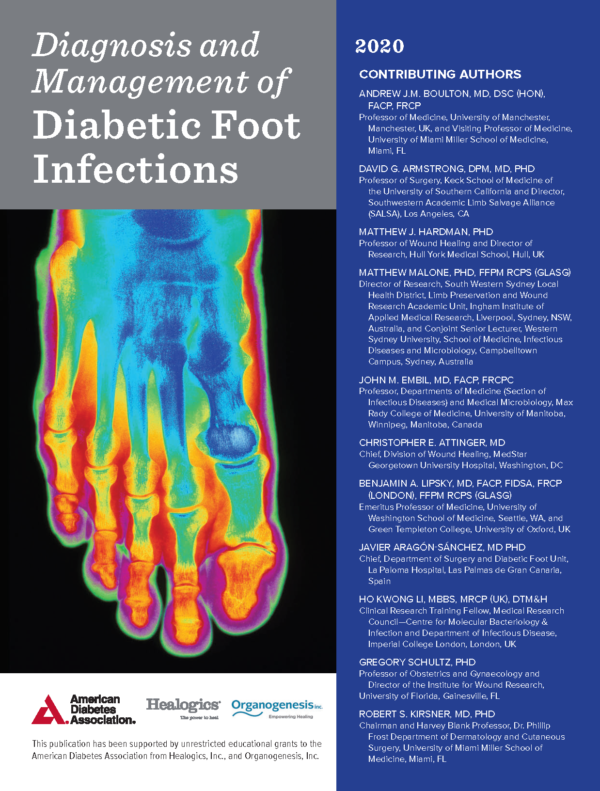
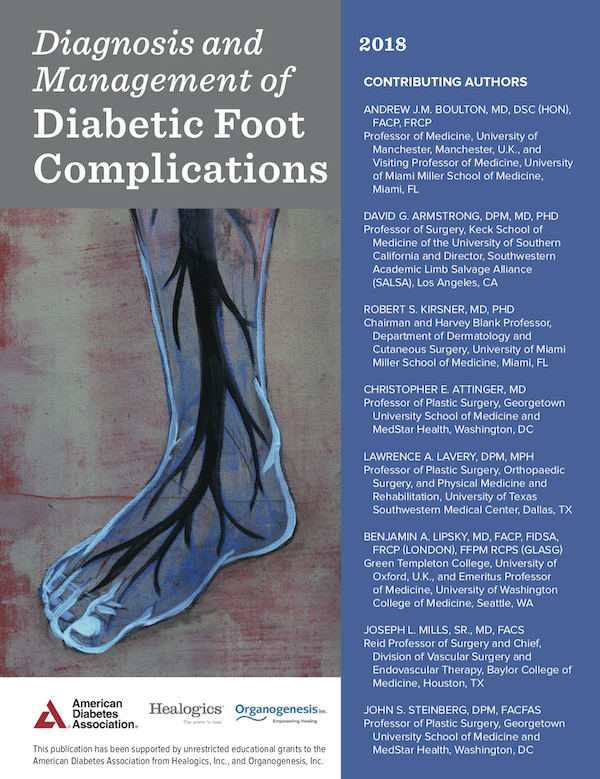
This compendium is a follow-up to the 2018 American Diabetes Association compendium Diagnosis and Management of Diabetic Foot Complications. Whereas the first compendium offered a broad general overview of diabetic foot conditions, this second volume presents a detailed discussion of the prevention and treatment of diabetic foot infections (DFIs), a major contributor to high amputation rates among people with diabetes.
Learn More
At least half of all amputations occur in people with diabetes, most commonly because of an infected diabetic foot ulcer. A thorough understanding of the causes and management of diabetic foot ulceration is essential to reducing lower-extremity amputation risk.
Learn More
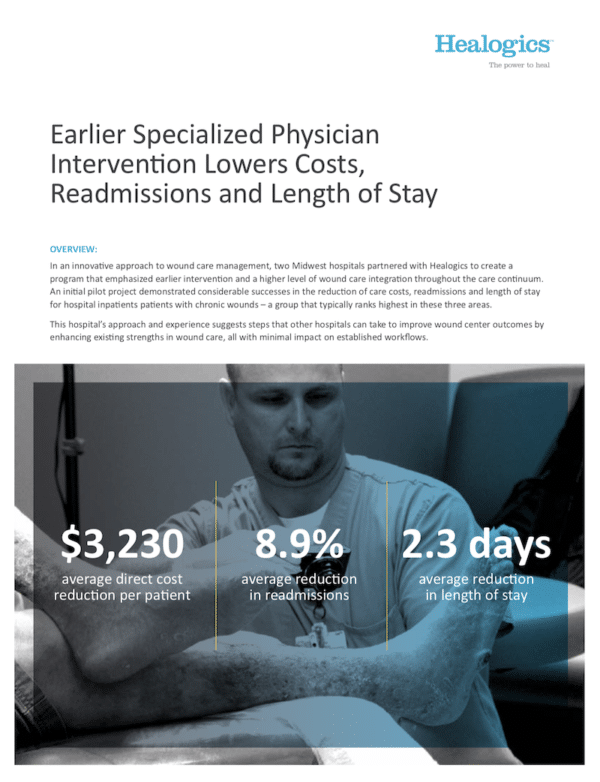
In an innovative approach to wound care management, two Midwest hospitals partnered with Healogics to create a program that emphasized earlier intervention and a higher level of wound care integration throughout the care continuum. An initial pilot project demonstrated considerable successes in the reduction of care costs, readmissions and length of stay for hospital inpatients patients with chronic wounds – a group that typically ranks highest in these three areas.
This hospital’s approach and experience suggests steps that other hospitals can take to improve wound center outcomes by enhancing existing strengths in wound care, all with minimal impact on established workflows.
Learn More
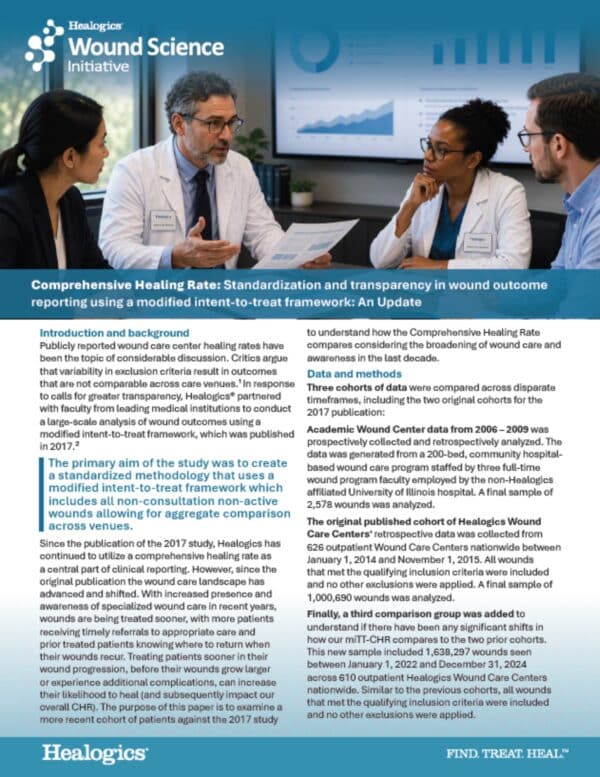
The findings of the study emphasize the importance of standardization and transparency in wound outcome reporting. However, while useful, until a standardized risk-adjustment methodology is applied, both the comprehensive and standard healing rates are necessary to understand the quality of care.
Learn More
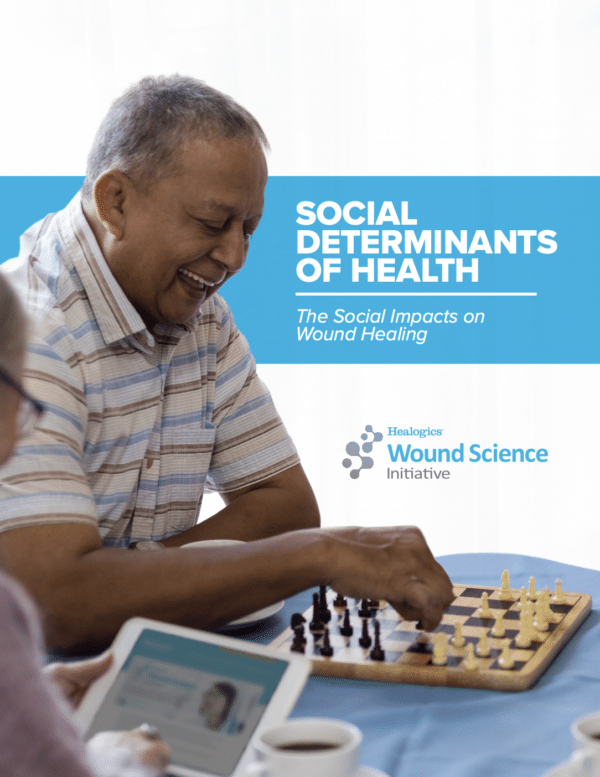
Chronic wound patients face a number of challenges to their health and well-being. The presence of the ulcers is an indication of broader physical systems failures. However, with education and prevention, many wounds could be prevented or treated when they are less severe resulting in improved outcomes. The association between chronic conditions such as diabetes, cardiovascular disease, and social conditions is well established. Yet, none of the previous studies have addressed chronic ulcers. Healogics Wound Science Initiative is partnering with hospitals and researchers to better understand how the social determinants of health impact the lives of wounded patients.
Learn More
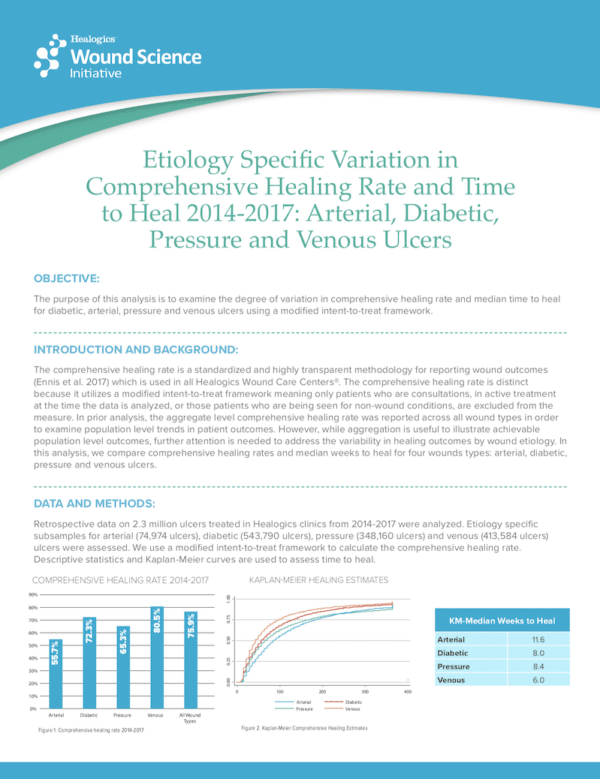
The purpose of this analysis is to examine the degree of variation in comprehensive healing rate and median time to heal for diabetic, arterial, pressure and venous ulcers using a modified intent-to-treat framework.
Learn More
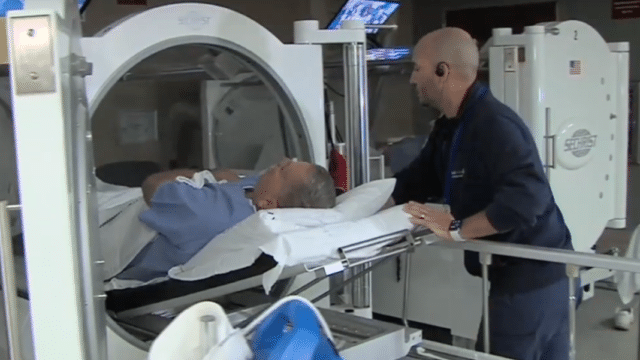
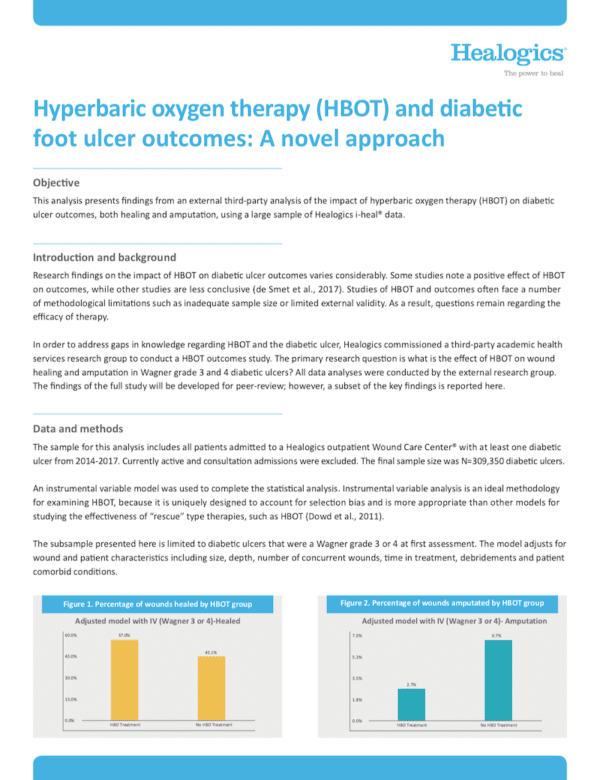
This analysis presents findings from an external third-party analysis of the impact of hyperbaric oxygen therapy (HBO) on diabetic ulcer outcomes, both healing and amputation, using a large sample of Healogics i-heal® data.
Learn More