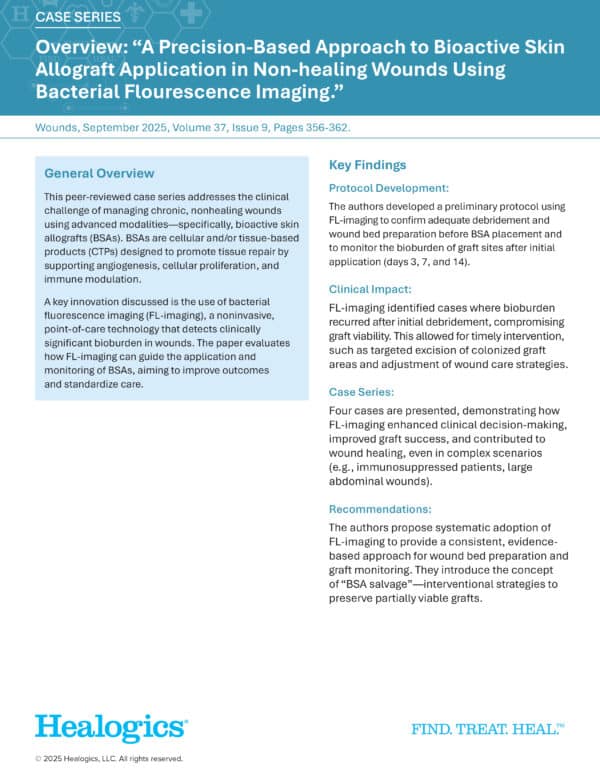
This peer-reviewed case series addresses the clinical challenge of managing chronic, nonhealing wounds using advanced modalities – specifically, bioactive skin allografts (BSAs). BSAs are cellular and/or tissue-based products (CTPs) designed to promote tissue repair by supporting angioenesis, cellular proliferation, and immune modulation. A key innovation discussed is the use of bacterial fluorescence imaging (FL-imaging), a…
Learn More
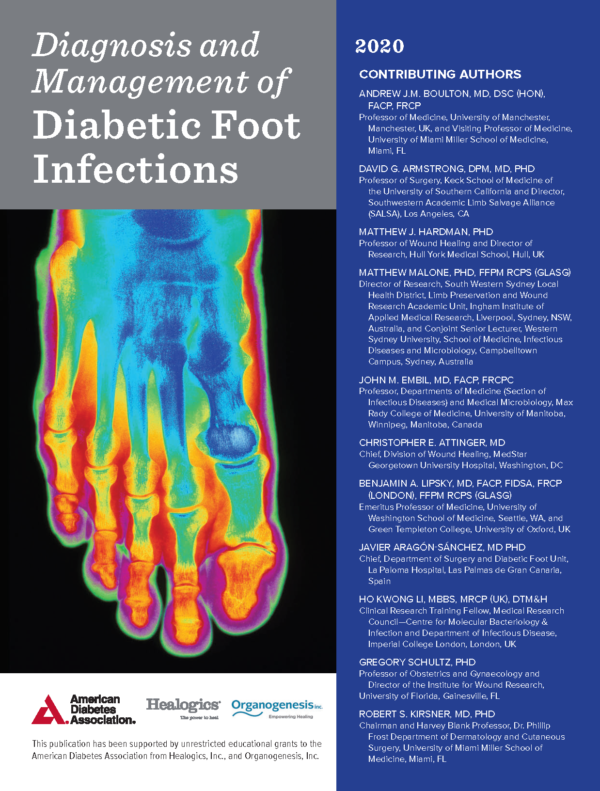
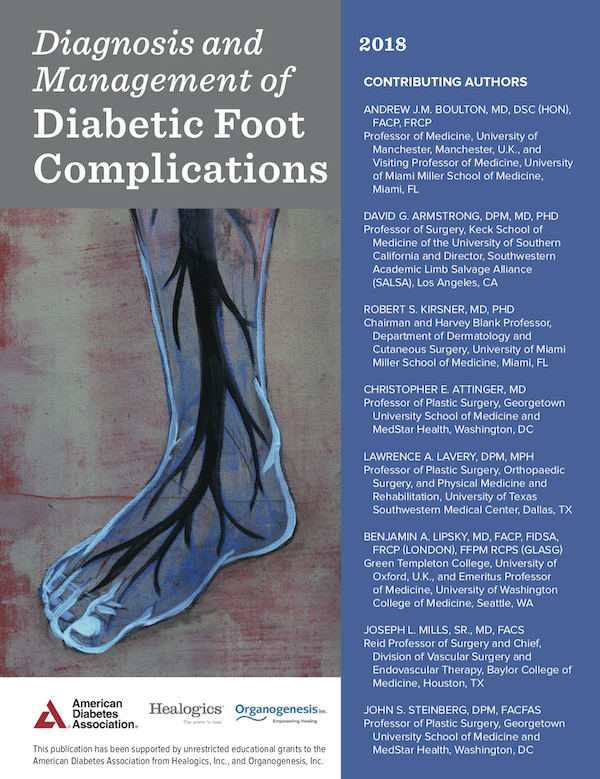
This compendium is a follow-up to the 2018 American Diabetes Association compendium Diagnosis and Management of Diabetic Foot Complications. Whereas the first compendium offered a broad general overview of diabetic foot conditions, this second volume presents a detailed discussion of the prevention and treatment of diabetic foot infections (DFIs), a major contributor to high amputation rates among people with diabetes.
Learn More
At least half of all amputations occur in people with diabetes, most commonly because of an infected diabetic foot ulcer. A thorough understanding of the causes and management of diabetic foot ulceration is essential to reducing lower-extremity amputation risk.
Learn More
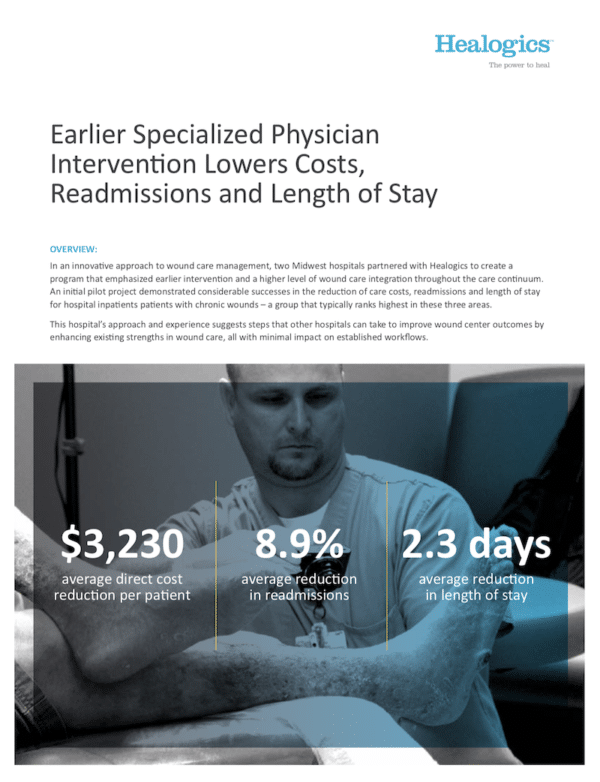
In an innovative approach to wound care management, two Midwest hospitals partnered with Healogics to create a program that emphasized earlier intervention and a higher level of wound care integration throughout the care continuum. An initial pilot project demonstrated considerable successes in the reduction of care costs, readmissions and length of stay for hospital inpatients patients with chronic wounds – a group that typically ranks highest in these three areas.
This hospital’s approach and experience suggests steps that other hospitals can take to improve wound center outcomes by enhancing existing strengths in wound care, all with minimal impact on established workflows.
Learn More
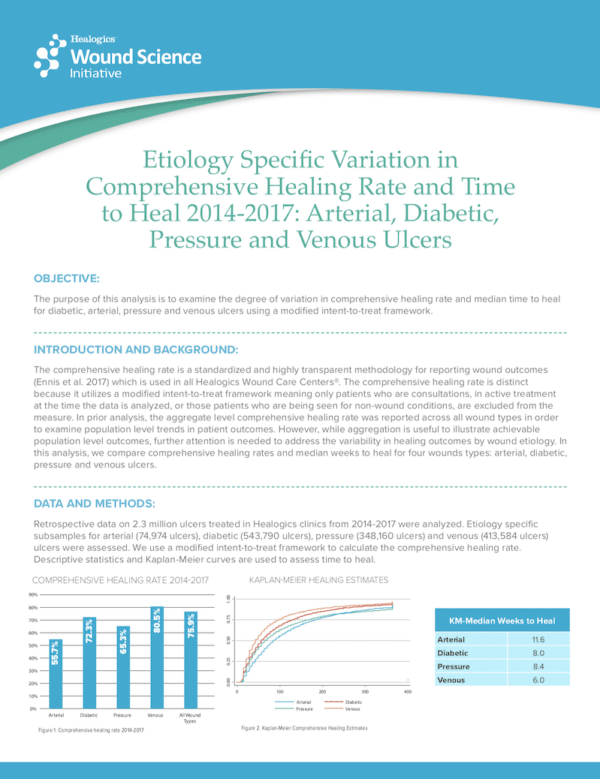
The purpose of this analysis is to examine the degree of variation in comprehensive healing rate and median time to heal for diabetic, arterial, pressure and venous ulcers using a modified intent-to-treat framework.
Learn More
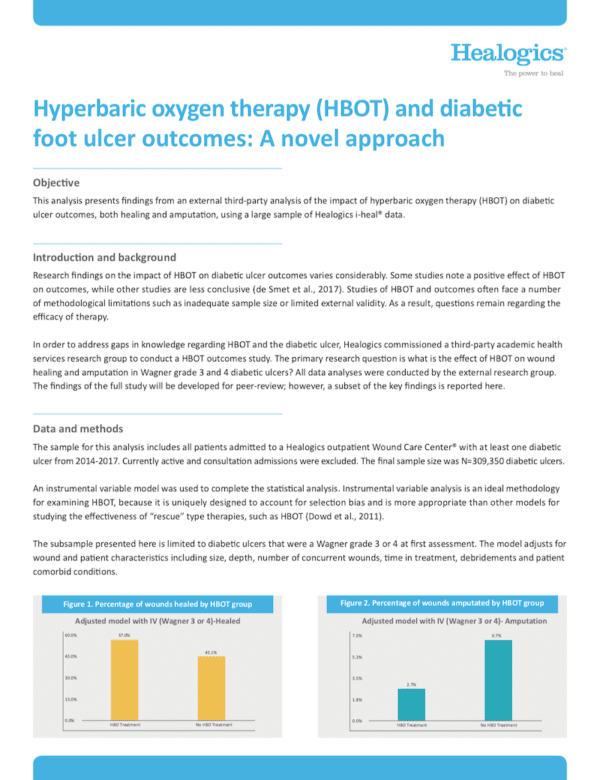
This analysis presents findings from an external third-party analysis of the impact of hyperbaric oxygen therapy (HBO) on diabetic ulcer outcomes, both healing and amputation, using a large sample of Healogics i-heal® data.
Learn More