Q&A with Carolyn Shinn, RN, BSN, CWS, Vice President, Clinical and Quality Process Excellence
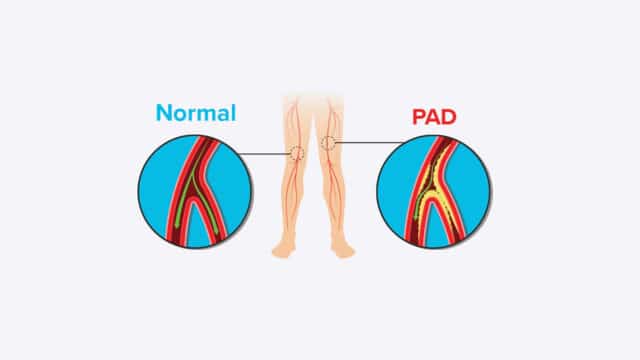
Peripheral Artery Disease (PAD) is a common circulatory condition that develops when arteries become narrowed or blocked, reducing blood flow to the legs and feet. Reduced circulation can affect mobility, increase the risk of chronic wounds, and contribute to serious complications if left untreated. In fact, 75% of amputations are caused by poor vascular status of the limb, confirming vascular disease as the leading cause of amputation. Understanding the warning signs and risk factors can help individuals seek care earlier and protect their long-term health.
What are the most significant warning signs of PAD?
The most common symptom of PAD is pain, cramping, or aching in the legs while walking that improves with rest. However, PAD does not always cause obvious symptoms, and many people may not realize they have the condition until circulation problems become more advanced.
Potential warning signs include:
- Pain, cramping, or aching in the legs during activity
- Numbness, tingling, or weakness in the feet or legs
- Coldness in the lower leg or foot
- Changes in skin color
- Shiny skin or loss of hair on the legs
- Sores or wounds on the feet, toes, or legs that heal slowly or do not heal
Because symptoms can develop gradually, it is important not to ignore changes in your legs, feet, or circulation.
Who should get screened for PAD?
PAD becomes more common with age and shares many risk factors with heart disease and stroke.
Individuals who may benefit from discussing PAD screening with their healthcare provider include those who:
- Are age 65 or older
- Have diabetes
- Smoke or have a history of smoking
- Have high blood pressure
- Have high cholesterol
- Have cardiovascular disease
- Have a family history of PAD or vascular disease
Since many people with PAD experience few or no symptoms, screening can play an important role in identifying circulation problems before complications develop.
How does PAD affect wound healing?
Healthy circulation is essential for wound healing because blood carries oxygen and nutrients needed to repair tissue. When blood flow is reduced, wounds may heal more slowly or fail to heal altogether.
PAD is a common underlying factor in non-healing wounds of the lower extremities. Reduced circulation can increase the risk of infection, tissue damage, and other complications. Even a small cut, blister, or sore can become a chronic wound if adequate blood flow is not reaching the affected area.
Identifying circulation issues early may help support a more effective treatment plan and improve healing outcomes.
How is PAD Diagnosed?
Healthcare providers may use several methods to evaluate circulation and identify Peripheral Artery Disease (PAD). One commonly used screening tool is a handheld vascular Doppler, a simple, non-invasive device that helps assess blood flow in the legs and feet. By listening to blood flow and checking pulses in the lower extremities, providers can identify signs of reduced circulation and determine whether further vascular evaluation may be needed.
Additional vascular testing may be recommended depending on symptoms, risk factors, and overall health history.
Because PAD often progresses gradually, early detection may help individuals access treatment before more serious complications occur.
What can you do to reduce your risk of PAD?
While PAD cannot always be prevented, healthy lifestyle habits may help reduce risk and support vascular health.
Experts generally recommend:
- Avoiding tobacco products
- Staying physically active
- Managing diabetes, blood pressure, and cholesterol
- Maintaining a healthy weight
- Following a heart-healthy diet
- Monitoring feet and legs for wounds or changes in skin condition
- Seeking care for wounds that are slow to heal
Taking steps to support circulation and address risk factors early may help reduce the likelihood of complications associated with PAD.
When should you seek care?
If you have risk factors for PAD or develop a wound that is not improving, it is important to seek medical evaluation. Wounds that persist for several weeks, worsen over time, or show signs of infection may indicate an underlying circulation problem.
Early intervention can help identify contributing factors, improve healing potential, and reduce the risk of serious complications.
Find a Wound Care Center® near you or request an appointment to learn more about specialized wound care and circulation evaluation.