Effective Open Wound Care: Best Practices for Optimal Healing
An open wound is an injury or break in the skin that exposes the tissue underneath. A open wound can happen in an instant, after a fall, an injury or a surgical procedure. Other wounds may develop gradually because of an underlying health condition that interferes with the body’s ability to heal.
While many minor wounds heal with basic care, others need closer attention. The type and depth of the wound, circulation, infection, pressure on the injured area and health conditions such as diabetes can all affect wound healing.
Understanding what to do, and when to ask for help, can make a meaningful difference. Effective open wound care begins with keeping the wound clean and protected while paying attention to changes that may signal delayed healing or infection. Chronic or complex wounds may require specialized treatment to address the underlying barriers preventing healing.
This guide explains the fundamentals of caring for an open wound, including care after surgery, open wound care at home, considerations for people living with diabetes, treatment options, nutrition and the warning signs that tell you it is time to seek medical care.
Important: Every wound is different. Follow the wound-care instructions provided by your healthcare professional. If you have diabetes, poor circulation or another condition that may interfere with healing, seek medical guidance early rather than attempting to manage a persistent wound yourself.
Understanding Open Wound Care
Open wound care is the process of assessing, cleaning, protecting and treating a wound in which the skin has been broken and tissue is exposed, with the goal of creating the right conditions for the body to heal and preventing complications along the way.
That matters because healing is not guaranteed. An open wound has lost its natural barrier, which leaves it vulnerable to infection, moisture imbalance, pressure and other factors that can stall progress. Consistent, appropriate care supports each stage of the healing process, while regular assessment helps identify when a wound is not progressing as expected.
Common types of open wounds include:
- Abrasions: Superficial wounds caused when skin rubs or scrapes against a surface.
- Lacerations: Cuts or tears in the skin that can range from shallow to deep.
- Punctures: Small surface openings that may extend deeply into tissue.
- Surgical wounds: Incisions created during surgery, including wounds that are intentionally or subsequently left open to heal.
- Ulcers: Wounds often associated with prolonged pressure, poor circulation, venous disease or diabetes.
The body normally moves through a coordinated healing process after an injury. Some wounds, however, remain open because biological or mechanical factors are interfering with healing.
For example, reduced circulation can limit the oxygen and nutrients reaching injured tissue. Infection can prolong inflammation. Repeated pressure can continue damaging tissue. Diabetes can contribute through several pathways, including impaired circulation and neuropathy, which may prevent someone from noticing an injury.
This is why effective wound management is about more than covering a wound. The underlying reason a wound is not healing must also be identified and addressed.
Best Practices for Open Wound Care
The right care depends on the wound, but several basic principles can help create an environment that supports open wound healing.
Keep the wound clean
Clean your hands before and after touching the wound or its dressing. For some open surgical wounds, gentle cleansing with normal saline or mild soapy water may be appropriate, but patients should follow their healthcare provider’s instructions.
Avoid routinely putting hydrogen peroxide, rubbing alcohol, iodine or other harsh disinfectants into a wound unless specifically instructed by your healthcare professional. These products can damage healthy wound tissue and potentially slow healing. MedlinePlus and the American College of Surgeons both advise against routine use of peroxide and similar disinfectants for surgical wound care.
Maintain the right moisture balance
There is a common misconception that an open wound should simply be allowed to “air out” and become dried. In many situations, modern wound care uses appropriate dressings to create a protected environment with controlled moisture.
Too much moisture can damage the skin around the wound, while a wound that becomes excessively dried may not have an ideal healing environment. Your clinician can select a dressing based on the wound’s location, depth, drainage and other characteristics.
Protect the wound
A dressing can help protect against contamination, absorb drainage and reduce trauma to the healing tissue.
How often should you change a dressing? There is no single schedule that is appropriate for every wound. The answer depends on the type of dressing, amount of drainage and your clinician’s treatment plan. For an open surgical wound, your healthcare provider should tell you how often the dressing needs to be changed.
Common supplies may include:
- Disposable gloves
- Gauze or other wound dressings
- Normal saline, when recommended
- Medical tape or a prescribed dressing-retention product
- A clean disposal bag
Specialty products, topical treatments or advanced dressings should be used under the direction of a qualified healthcare professional.
Monitor the wound
Pay attention to changes in size, depth, drainage, odor, surrounding skin and pain. A wound that is getting larger, deeper or more painful, or simply isn’t progressing as expected, deserves medical attention.
Open Wound Care After Surgery
Open wound care after surgery should begin with one rule: follow your surgeon’s instructions.
Some surgical wounds are intentionally left open, while in other situations an incision can separate after surgery. An open surgical wound may heal from the inside outward and require specific dressings or packing.
Keep your hands clean during dressing changes and use the supplies recommended by your surgical team. Do not apply creams, herbal remedies, peroxide or other products unless your clinician has approved them.
Contact your healthcare provider if you develop increasing redness, swelling, drainage, bleeding, foul odor, worsening pain, wound separation or fever. The American College of Surgeons identifies these among the warning signs that require follow-up.
Some medications, including aspirin and other medicines that affect bleeding, may also be relevant to wound or postoperative care. Never stop aspirin or another prescribed medication on your own. Talk with your surgeon or prescribing clinician first.
Open Wound Care at Home
Successful open wound care at home isn’t about doing more. It’s about doing the right things consistently.
A simple routine may include:
- Wash your hands thoroughly.
- Prepare a clean work area and gather your supplies.
- Remove the existing dressing carefully.
- Look at the wound and surrounding skin for changes.
- Clean the wound as your healthcare provider instructed.
- Apply the recommended dressing.
- Dispose of used supplies appropriately and wash your hands again.
Do not assume that a stronger antiseptic creates better care of open wounds. In particular, routine use of peroxide can even injure healing tissue. A wound that continues to worsen, fails to improve, becomes infected or is associated with diabetes or poor circulation should be evaluated by a healthcare professional.
Open Wound Care for People Living with Diabetes
Open wound care for people living with diabetes deserves special attention. Over time, elevated blood sugar can damage blood vessels and nerves. Reduced blood flow can make it more difficult for oxygen and nutrients to reach a wound, while diabetic neuropathy may make an injury difficult to feel. These factors can contribute to delayed healing and increase the chance that a small foot injury will become a more serious problem.
For people living with diabetes, we encourage several important habits:
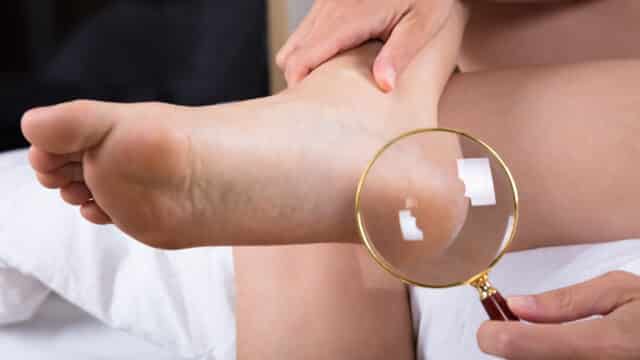
- Look at your feet every day, including between the toes and on the soles.
- Never walk barefoot.
- Wear properly fitting footwear.
- Follow your healthcare team’s plan for managing blood sugar.
- Do not cut corns, calluses or abnormal tissue yourself.
- Report new blisters, cuts, sores or changes in skin color promptly.
- Seek specialized evaluation for a wound that is not progressing toward healing.
Treatments for Open Wound Care
The appropriate open wound care treatment depends on what is preventing the wound from healing. A wound care professional may evaluate circulation, infection, pressure, swelling, nutrition, underlying disease and the condition of the wound bed before developing a treatment plan.
Depending on the wound, treatment may include:
- Debridement to remove dead or unhealthy tissue
- Advanced wound dressings
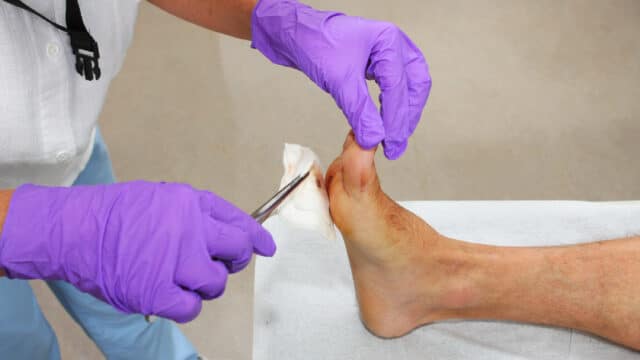
- Offloading to remove pressure from a foot wound
- Compression therapy when clinically appropriate
- Negative pressure wound therapy
- Treatment for infection
- Cellular or tissue-based products when indicated
- Management of underlying vascular or metabolic conditions
- Hyperbaric oxygen therapy (HBO) for certain qualifying conditions
The Role of Nutrition in Wound Healing
Healing requires energy and building materials. A balanced diet provides the protein, carbohydrates, fats, vitamins, minerals and fluids the body needs to maintain normal metabolism and repair tissue.
Helpful food choices may include:
- Eggs, poultry, fish, beans and other sources of protein
- Fruits and vegetables
- Whole grains
- Dairy foods or appropriate alternatives
- Healthy fats
- Adequate fluids, unless your medical team has prescribed fluid restrictions
If you have diabetes, your nutrition plan should also support appropriate blood sugar management. Some patients ask about vitamins or nutritional supplements for wound healing. Supplements may be useful when there is a documented deficiency or increased nutritional need, but more is not automatically better. Certain supplements can interact with medications, so talk with a doctor or registered dietitian before starting them.
Nutrition needs can also change after major surgery or treatment for illnesses such as breast cancer. Cancer treatment, medications, individual genetics and other health factors may affect appetite, nutrition or how the body responds to treatment. Some cancer treatments can also sensitize tissue to injury, and tissue previously sensitized by radiation may require specialized evaluation if a wound develops.
Common Mistakes in Open Wound Care
Even well-intentioned care can sometimes interfere with healing. Common mistakes include:
- Using harsh antiseptics such as peroxide without medical direction
- Touching a wound without cleaning your hands
- Allowing a dressing to become heavily soiled or saturated
- Changing a specialized dressing more frequently than prescribed
- Letting a wound become excessively dried because of the belief that it needs air
- Putting unapproved creams or home remedies into the wound
- Continuing to walk or place pressure on a foot wound that needs offloading
- Ignoring increasing redness, drainage, odor or pain
- Trying to remove dead tissue or calluses yourself
- Waiting too long to seek care for a non-healing wound
For some chronic wounds, one of the biggest mistakes is treating only what is visible. A wound may be telling us that something else, such as infection, repeated pressure, poor circulation or uncontrolled diabetes, needs attention.
When to Call Your Doctor
Call your doctor or healthcare professional when a wound is getting worse instead of better.
Warning signs include:
- Increasing redness or warmth
- Increasing swelling
- New or worsening pain
- Pus or foul-smelling drainage
- Increasing wound size or depth
- Dark, yellow or otherwise concerning changes in tissue
- Bleeding that does not stop with direct pressure
- Fever or chills
- Wound edges separating
- Stitches or staples coming out unexpectedly
These signs may indicate infection or another complication requiring prompt evaluation. Surgical wound infections, for example, can involve superficial tissue or extend more deeply and may require antibiotics, debridement or other treatment.
If you have diabetes, neuropathy, peripheral artery disease or known circulation problems, do not wait for pain before seeking help. Diabetes-related nerve damage can reduce the ability to feel an injury, which is one reason daily inspection and early treatment are so important.
Essential Open Wound Care: Your Recovery Roadmap
Good wound care starts with the basics: keep the wound clean, protect it appropriately, maintain the right moisture balance, follow your healthcare provider’s instructions and watch carefully for changes.
But healing is not always simple. Infection, pressure, poor circulation, swelling, diabetes, nutrition and other health conditions may all affect the body’s ability to repair damaged tissue. That is where specialized wound care can make a difference.
For more than 30 years, Healogics has focused on wound care and hyperbaric medicine. Today, our network supports hundreds of hospital partners and the care of hundreds of thousands of patients each year, while our Wound Science Initiative uses extensive clinical data, peer-reviewed research and academic partnerships to advance evidence-based wound care.
If you have a wound that is not healing, keeps returning or is becoming more difficult to manage, you do not have to navigate it alone. Find a nearby wound care center to learn whether specialized wound care may be right for you.