How Poor Circulation Affects Wound Healing
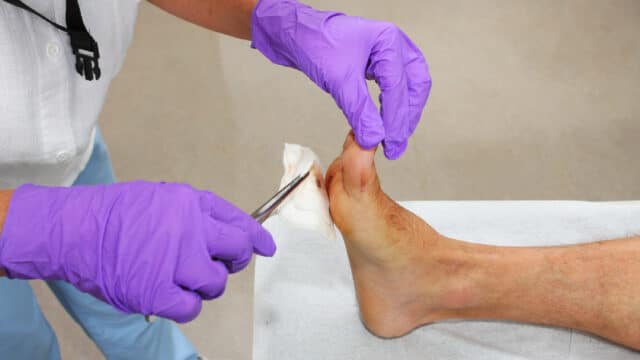
Your circulatory system, also known as your cardiovascular system, is essential to wound healing because it is an important part of your body’s immune response. Your heart pumps oxygen and nutrient-rich blood away from the heart through your arteries. Your veins carry deoxygenated, nutrient-poor blood back to the heart. When you are injured, your blood carries extra nutrients and white blood cells to the injured tissue. If your circulation is limited, however, enough blood may not reach the wound, which can delay healing. The longer a wound goes untreated, the greater the risk of infection, hospitalization, and possibly amputation or loss of life. Understanding the connection between poor circulation and impaired wound healing is crucial for maintaining overall health and preventing complications.
Signs and Symptoms of Poor Circulation
Recognizing the signs of poor circulation is the first step toward addressing the issue. If you have a non-healing wound, look for these additional symptoms that may indicate a circulation problem:
- Numbness or tingling: A “pins and needles” sensation in your hands, feet, or legs.
- Cold extremities: Your hands or feet feel cold to the touch, even in a warm environment.
- Swelling (Edema): Fluid buildup, especially in the legs, ankles, and feet.
- Skin discoloration: The skin on your legs or feet may appear pale, blue, or reddish.
- Thin, shiny skin: The skin around the wound may look stretched and shiny.
- Hair loss: Unexplained hair loss on your legs and feet.
- Painful cramping: Muscle pain or cramping in your legs when walking (claudication), which usually subsides with rest.
Medical Conditions that Affect Your Circulation System
There are many forms of cardiovascular disease that can compromise or reduce your ability to heal. In addition, many people living with a form of heart disease are also living with diabetes, a condition that is also damaging to arteries and veins. People living with these common conditions are at greater risk of developing a non-healing wound:
- Arrhythmia
- Atherosclerosis
- Coronary Artery Disease (CAD)
- Peripheral Artery Disease (PAD)
- History of heart attack
- Heart disease
- Heart failure
- Heart valve problems
- History of stroke
- Venous disease
Managing these underlying medical conditions is essential for promoting optimal wound healing and preventing the development of chronic wounds.
Understanding Arterial vs. Venous Circulation Issues
Poor circulation can stem from issues in either your arteries or your veins, leading to different types of wounds:
- Arterial Ulcers: These occur when arteries fail to deliver enough oxygen-rich blood to the lower extremities. They are often found on the feet, heels, or toes and are typically painful, with a “punched-out” appearance.
- Venous Ulcers: These result from damaged veins that are unable to move blood back toward the heart, causing blood to pool in the legs. These ulcers usually appear on the lower leg or ankle and are often accompanied by swelling and skin discoloration.
Smoking Is Harmful to Circulation
If you currently smoke or vape, or have a history of smoking, you are at greater risk for chronic wounds due to poor circulation. Smoking and all forms of nicotine use cause blood vessels to narrow and harden, which reduces circulation. When this happens, wounds can fail to heal because the oxygen and nutrients carried in your blood cannot get to your wound. The good news is that if you quit smoking now, your circulation will begin to improve within two weeks. Learn more at cancer.org. If you need help to quit smoking, visit smokefree.gov. Quitting smoking is one of the most important steps you can take to improve your circulation and promote wound healing.
Ways to Improve Blood Flow
The average adult heart pumps about 100,000 times a day, circulating 5 to 6 quarts of blood through 60,000 miles of blood vessels. As impressive as that sounds, you will improve your heart rate and the amount of oxygen in your blood every time you get moving. Even moderate exercise, such as walking or chair-based workouts, can make a significant improvement in your health. If you are a smoker, the fastest way to improve your circulation is to stop smoking immediately. Incorporating regular physical activity into your daily routine can help improve circulation, promote wound healing, and enhance overall health.
In addition to exercise and smoking cessation, consider these strategies:
- Healthy Diet: Focus on a diet rich in fruits, vegetables, whole grains, and lean proteins. Foods high in omega-3 fatty acids (like salmon), antioxidants (like berries), and nitrates (like beets) can help improve blood flow.
- Stay Hydrated: Drinking plenty of water helps maintain blood volume and promotes good circulation.
- Manage Your Weight: Maintaining a healthy weight reduces the strain on your circulatory system.
- Elevate Your Legs: If you have venous issues, elevating your legs can help reduce swelling and improve blood flow back to the heart.
When to Seek Medical Care for a Non-Healing Wound
It is essential to monitor wounds closely, especially if you have a condition that affects circulation. Contact a healthcare provider if you notice any of the following:
- The wound has not shown signs of healing within two weeks.
- Signs of infection, such as increased pain, redness, swelling, warmth, or foul-smelling drainage.
- The wound is getting larger.
- The skin around the wound becomes pale, blue, or black.
Get Expert Help for Non-Healing Wounds
If you have a wound that isn’t healing as expected, specialized wound care can make all the difference. At Healogics, our wound care specialists use advanced therapies—including hyperbaric oxygen therapy (HBO) and cellular and tissue-based products—to improve circulation and promote healing, even in the most challenging cases.
Don’t wait for a wound to become a serious health threat. Find a Wound Care Center® near you and take the first step toward healing today.
Frequently Asked Questions (FAQs)
How long does it take for a wound to heal with poor circulation?
With poor circulation, a wound can take much longer to heal than the typical 2-6 weeks. Healing may take several months, and in some cases, wounds may not heal at all without specialized medical intervention to improve blood flow.
What is the fastest way to improve circulation for wound healing?
The fastest way to improve circulation is to quit smoking, as blood vessels begin to relax and function better within weeks. Regular, gentle exercise like walking also significantly boosts blood flow. Addressing underlying medical conditions with your doctor is also critical.