Advanced Wound Treatments for Diabetic Foot Ulcers
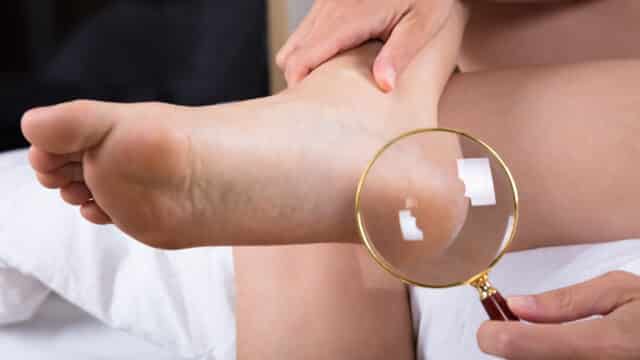
Diabetic foot ulcers can be difficult to heal because several factors may affect the healing process at the same time. Diabetes-related nerve damage can make it harder to feel an injury, while circulation problems, infection, and continued pressure on the foot can further complicate recovery.
When a diabetic foot ulcer does not progress with appropriate care, advanced wound care may provide additional treatment options designed to address the specific barriers preventing the wound from healing.
Effective treatment is rarely about a single therapy. Instead, successful chronic wound management starts with understanding the underlying cause of the wound and developing an individualized treatment plan.
What Is Advanced Wound Care?
Advanced wound care is specialized treatment for wounds that are complex, slow to heal, or not responding as expected to conventional care.
For diabetic foot ulcers, treatment begins with the fundamentals of wound healing. Depending on the patient’s condition and the characteristics of the wound, care may involve wound assessment, debridement, management of pressure, evaluation of circulation, and treatment of infection when present.
If a wound remains difficult to heal, the care team may consider additional wound healing therapies based on the patient’s individual needs.
Advanced Treatments for Diabetic Foot Ulcers
Offloading
Every step places pressure on the foot. When an ulcer develops in a weight-bearing area, that repeated pressure can interfere with healing.
Offloading reduces mechanical stress on the wound and is a critical component of diabetic foot ulcer treatment. The International Working Group on the Diabetic Foot (IWGDF) guidance describes offloading mechanical tissue stress as one of the most important interventions needed to heal diabetes-related foot ulcers.1
Debridement
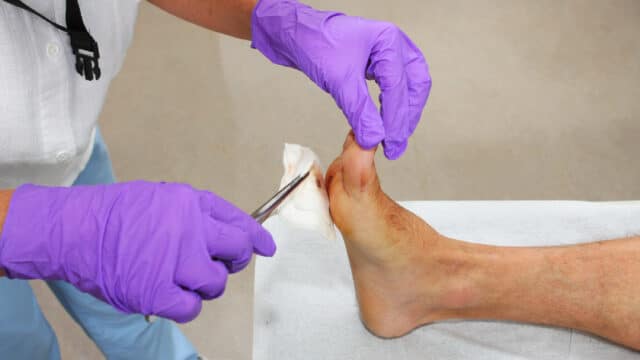
Dead or damaged tissue can interfere with the healing process. Debridement removes nonviable tissue when appropriate, helping create a healthier wound environment. Healogics existing advanced wound care material includes debridement as part of its treatment approach for chronic wounds.
Negative Pressure Wound Therapy
Negative Pressure Wound Therapy, or NPWT, uses controlled negative pressure over a wound. Healogics’ current advanced wound treatment content describes the therapy as helping draw fluid away from the wound and reduce swelling while supporting the healing environment.
Cellular and Tissue-Based Products
Some difficult-to-heal wounds may be candidates for cellular and tissue-based products as part of a comprehensive treatment plan. These therapies are among the advanced wound care services identified in current Healogics provider materials.
Hyperbaric Oxygen Therapy
Hyperbaric oxygen therapy (HBO) may be used for certain clinical indications as part of a comprehensive treatment plan. During treatment, a patient breathes 100% oxygen inside a pressurized chamber. HBO is among the advanced treatment options included in Healogics’ existing diabetic foot ulcer materials.
Importantly, advanced therapies are not appropriate for every wound or every patient. Treatment should be based on the cause and characteristics of the wound, the patient’s overall health, and evidence-based clinical indications.
Treating More Than the Wound
One of the most important concepts in diabetic wound care is that treating the opening in the skin may not be enough. Effective treatment may require addressing the factors contributing to the wound, including:
- Continued pressure on the foot
- Neuropathy
- Circulation
- Infection
- Devitalized tissue
- Other health conditions that may affect healing
This is where coordinated care can become especially important. Podiatrists, wound care specialists, vascular specialists, primary care providers, and other clinicians may each play a role depending on the patient’s needs.
When Is Specialized Wound Care Needed?
A foot wound that isn’t improving deserves attention. Specialized wound care may be appropriate when a diabetic foot ulcer is not progressing as expected, becomes more complex, or requires therapies and expertise beyond routine wound treatment.
Signs of infection require particular attention. Current IWGDF/IDSA guidance specifically addresses the diagnosis and treatment of soft-tissue and bone infections related to the diabetic foot.
A Personalized Approach to Diabetic Foot Ulcer Treatment
There is no single treatment for every diabetic foot ulcer. The goal of advanced wound care is to identify what prevents a wound from healing and develop a treatment plan that addresses those barriers. For some patients, that may mean offloading and debridement. For others, additional wound healing therapies may be clinically appropriate.
Healogics-managed Wound Care Centers® provide specialized wound care and a range of advanced treatment options for patients with complex and nonhealing wounds. Your existing materials describe services including cellular and tissue-based products, compression therapy, debridement, NPWT, non-invasive vascular studies, pressure-offloading devices, specialty dressings, infection treatment, and ongoing wound assessment.
When a diabetic foot ulcer isn’t healing, don’t ignore it. Find a Healogics-managed Wound Care Center® near you and learn more about advanced wound treatment options.