The Abrasion Wound Healing Process: A Step-by-Step Guide
A skinned knee after a fall on the sidewalk. A scraped elbow from a bike ride. Most of us have had an abrasion, and most are minor. Still, understanding the abrasion wound healing process can make a real difference in how quickly and completely your skin recovers. Proper care helps prevent infection, lowers the risk of scarring, and supports your body as it does what it does best: heal.
In this guide, we walk through what happens beneath the surface after a scrape, explain why the moist wound healing process often speeds recovery, and share practical first aid steps you can use at home.
Understanding Abrasion Wounds
An abrasion is a wound that occurs when skin rubs or scrapes against a rough surface, wearing away the top layers. Most abrasions affect only the epidermis, the skin’s outermost layer, though deeper abrasions can reach into the dermis below.
Abrasions differ from other wounds in important ways. A laceration is a cut or tear through the skin that may need stitches, and the laceration wound healing process centers on bringing the wound edges together so the gap can close. An abrasion, on the other hand, is wide and shallow. Rather than closing a gap, your body regrows a new surface layer across the scraped area. A scratch from a thorn or a cat’s claw is a narrow, line-shaped type of abrasion.
Common causes include a fall onto pavement, sports injuries, and bicycle accidents. Because we instinctively catch ourselves with our arms and legs, abrasions most often show up on the knees, elbows, hands, shins, and forehead. Elbows and knees are especially prone because the skin there sits close to bone with little padding.
Even a minor abrasion deserves proper care. Scraped skin is an open door for bacteria, and debris left in the wound can cause infection or lasting discoloration.
The Abrasion Wound Healing Process
When you injure your skin, your body launches a repair response almost immediately. The skin abrasion healing process follows the same basic biological sequence as nearly every other wound, but because abrasions are usually shallow, they often move through it quickly.
First, blood vessels constrict and platelets gather to stop bleeding. Next, immune cells arrive to clear away bacteria and debris. Then new skin cells migrate from the wound edges, and from hair follicles and sweat glands deeper in the skin, to cover the area. Finally, the new tissue strengthens and matures over time.
Because new skin can grow from many points across the wound bed, a superficial abrasion often heals without a scar. Knowing the steps to wound healing helps you recognize what’s normal, like mild redness or a slightly oozing surface in the first few days, and what might signal a problem.
Stages of Wound Healing
Clinicians describe four overlapping stages of wound healing.
Hemostasis (minutes to hours). The first of the wound healing stages begins the moment skin is injured. Blood vessels narrow, and platelets clump together to form a clot. This stops bleeding and creates a temporary seal over the wound.
Inflammation (about days 1 to 4). White blood cells move into the wound to fight bacteria and clear away damaged tissue and debris. You may notice redness, warmth, mild swelling, and tenderness. A small amount of clear or pale yellow fluid oozing from the wound is also common. This is normal and not necessarily a sign of infection.
Proliferation (about day 4 to week 3). Now your body rebuilds. New skin cells spread across the wound surface in a process called epithelialization, while collagen and new blood vessels form beneath it. In a shallow abrasion, much of this rebuilding may be complete within one to two weeks. The new skin often looks pink and shiny.
Remodeling (about week 3 to a year or more). The final stage is the longest. Collagen fibers reorganize and strengthen, and the new skin gradually blends in color and texture with the surrounding area. For minor scrapes, any pinkness or discoloration usually fades over several months.
These abrasion wound healing stages don’t follow a strict schedule; each person moves through them at their own pace.
Timeline for Healing
So how long does it take? The abrasion wound healing time depends largely on the size and depth of the wound. Small, superficial scrapes typically heal within about a week. Larger or deeper abrasions can take two weeks or longer, and remodeling continues well after the surface looks closed.
Several factors affect how quickly a wound heals:
- Age: Skin regenerates more slowly as we get older.
- Health conditions: People with diabetes may experience slower healing due to reduced circulation, and nerve damage can make it harder to notice when a wound is developing problems. Vascular disease, a weakened immune system, and some medications can also slow recovery.
- Nutrition and lifestyle: Adequate protein, vitamins, and fluids support tissue repair, while smoking reduces blood flow and oxygen to the skin.
- Wound care practices: Keeping the wound clean, covered, and moist, and not picking at it, can shorten healing time and reduce scarring.
If a wound shows no improvement after about a week, or hasn’t closed within a few weeks, it’s time to have it evaluated. For wounds that won’t heal, specialists may recommend advanced treatments to assist in the wound healing process.
Effective Moist Wound Healing Techniques
Many of us grew up hearing that a wound should “air out” and form a scab. Research shows otherwise. The moist wound healing process keeps the wound bed slightly damp, which allows new skin cells to move across the surface more easily. A dry scab acts as a barrier that cells must travel beneath, which can slow progress.
Moist healing can also mean less pain, less scarring, and dressings that don’t stick to the wound.
You can maintain a moist environment with:
- Petroleum jelly or antibiotic ointment: A thin layer under a nonstick bandage keeps the surface from drying out.
- Hydrogel dressings: These water-based gels add moisture and soothe the wound.
- Hydrocolloid dressings: These occlusive dressings form a soft gel as they absorb fluid and can often stay in place for several days.
- Transparent film dressings: Thin, occlusive films let you see the wound while sealing out bacteria and water.
The goal is balance: moist, not soggy. If the skin around the wound turns white and wrinkled, it’s too wet, and you should change the dressing more often or switch to a more absorbent option.
Signs of Infection in Abrasion Wounds
Most scrapes heal without trouble, but even a small scratch can become infected, especially if dirt remained in the wound. During an infected abrasion wound healing process, recovery stalls and symptoms get worse instead of better. Watch for:
- Redness that spreads beyond the wound or darkens over time
- Increasing swelling, warmth, or pain after the first few days
- Thick, cloudy, yellow, or green pus, or oozing with a foul smell
- Red streaks extending from the wound
- Fever or chills
- A wound that isn’t improving after a week
If you notice these signs, contact your healthcare provider promptly, especially if you have a fever or red streaking. People with diabetes or a weakened immune system should reach out at the first sign of trouble, since infections can progress more quickly.
Also get medical care right away if a wound is large or deep, won’t stop bleeding with firm pressure, contains debris you can’t remove, or came from an animal bite. If the wound is dirty and your last tetanus shot was more than five years ago, ask about a booster.
First Aid for Abrasion Wounds
Good first aid sets the stage for smooth healing. If you or a loved one gets scraped:
- Wash your hands. Start with clean hands, or wear disposable gloves.
- Stop the bleeding. Apply gentle pressure with a clean cloth or gauze until bleeding stops.
- Rinse the wound. Run cool or lukewarm water over the area and wash around it with mild soap. Avoid hydrogen peroxide and rubbing alcohol on the wound, as they can damage healthy tissue.
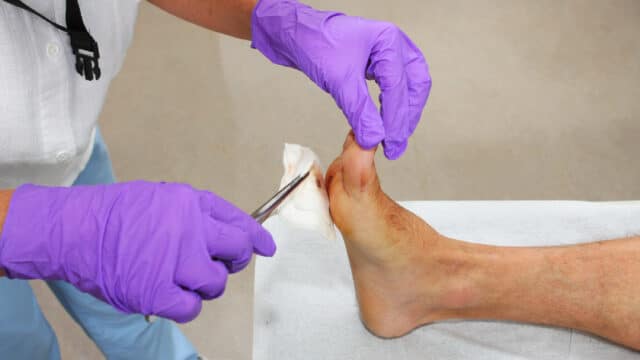
- Remove debris. Use tweezers wiped with rubbing alcohol to gently lift out small bits of dirt or gravel. If debris is deeply embedded, seek medical care.
- Apply a thin layer of ointment. Petroleum jelly or an antibiotic ointment helps keep the wound moist.
- Cover the wound. Use a nonstick bandage or a moisture-retaining dressing. A minor scratch may not need covering.
- Change the dressing daily. Replace it once a day, or whenever it becomes wet or dirty, and gently rinse the area each time.
- Monitor your progress. Check for signs of infection, and resist the urge to pick at any scab or peeling skin as your skin heals.
Your Abrasion Care Action Plan: Next Steps and When to Seek Help
Understanding the abrasion wound healing process helps you care for scrapes with confidence. To recap, your body moves through four stages: hemostasis, inflammation, proliferation, and remodeling. Most minor scrapes heal in about a week, while deeper abrasions take longer. Prompt first aid, a moist healing environment, and close attention to signs of infection give your skin the best chance to recover well.
Most abrasions can be managed at home. But if your wound isn’t healing, shows signs of infection, or you live with a condition like diabetes that affects circulation, don’t wait. Find a Healogics-managed Wound Care Center® near you and connect with a team that can evaluate your wound and build a treatment plan around your needs.