
Meet Dale Sturms, Healogics Director of Program Implementation
"During my tenure with Healogics I have had the opportunity to take on new roles with more complex challenges and greater accountability"
Ongoing education and research is critically important to advancing the field of wound care. To help our provider partners stay informed about the latest wound care best practices and developments, we provide a collection of wound care provider resources, including blog posts, articles, studies, guidelines, webinars and white papers.
"During my tenure with Healogics I have had the opportunity to take on new roles with more complex challenges and greater accountability"
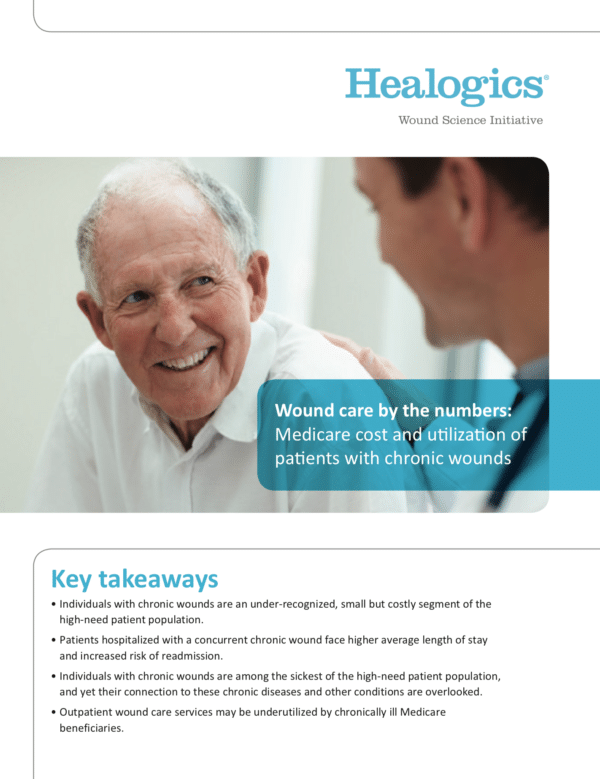
To advance insights and perspectives on how to better manage the care of patients with chronic wounds and to stimulate potential solutions for improving outcomes and reducing costs for this vulnerable, majority 65+ population, Healogics analyzed 2014 Centers for Medicare & Medicaid Services (CMS) Part A and B standard analytic files for care utilization and cost trends. This white paper synthesizes information and insights gleaned from the analysis, keeping in mind potential areas of opportunity to improve care and outcomes.
"The greatest reward for me is witnessing the literal transformation of a patient who enters our center hopeless, afraid, and helpless to one who is restored to a better quality of life."
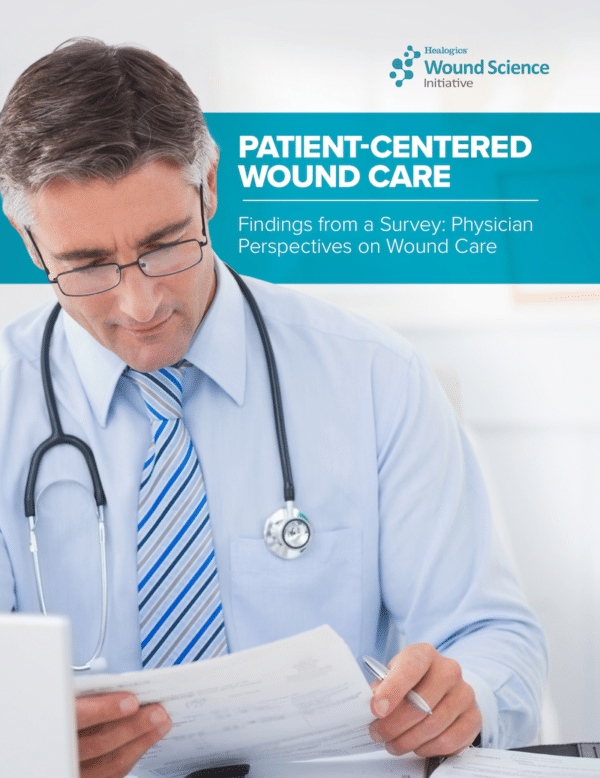
Healogics researchers partnered with Dr. Alexandra Nowakowski, a leading patient advocate and medical researcher at Florida State University’s College of Medicine, to investigate provider perceptions of wound care. Healogics providers were recruited to participate in an anonymous nine-question survey focused on their experiences and perceptions of wound care and wounded patients. The questions focused on patient attributes that influence positive or negative wound outcomes, patient impacts on providers’ care plan and providers’ perspective of patient-centered wound care.
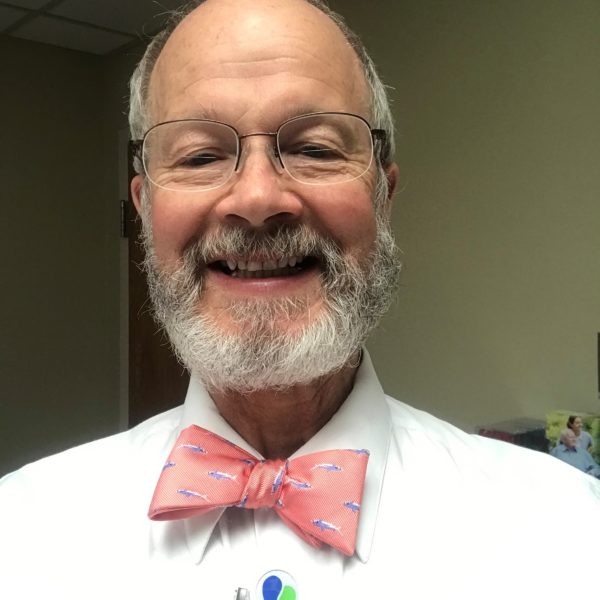
"Seeing patients happy because they either didn’t have have a leg or toe cut off that another physician had told them they would have to, or that they were healed from a wound that they have been treated by another provider for months or years without healing."
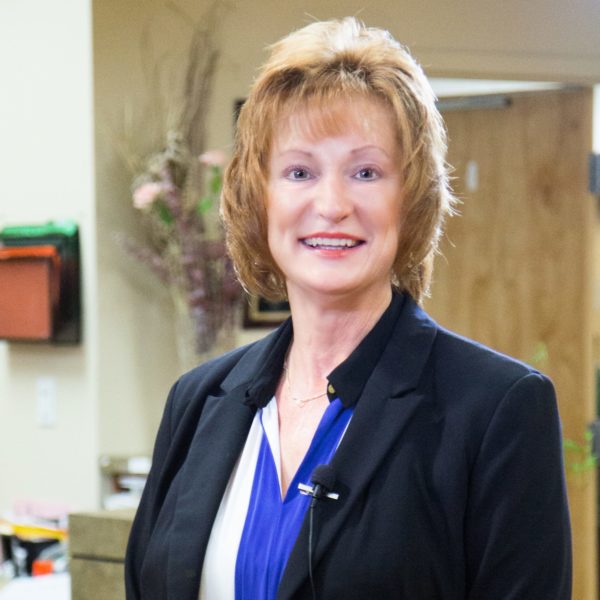
"The greatest reward is the successes I see in our center in making a difference in the lives of our patients"

"For me the greatest reward of working at Healogics is assisting in the development of the clinical team. Witnessing their progression and how it aligns with our patients outcomes is what feeds my passion to never stop providing the support and education!"
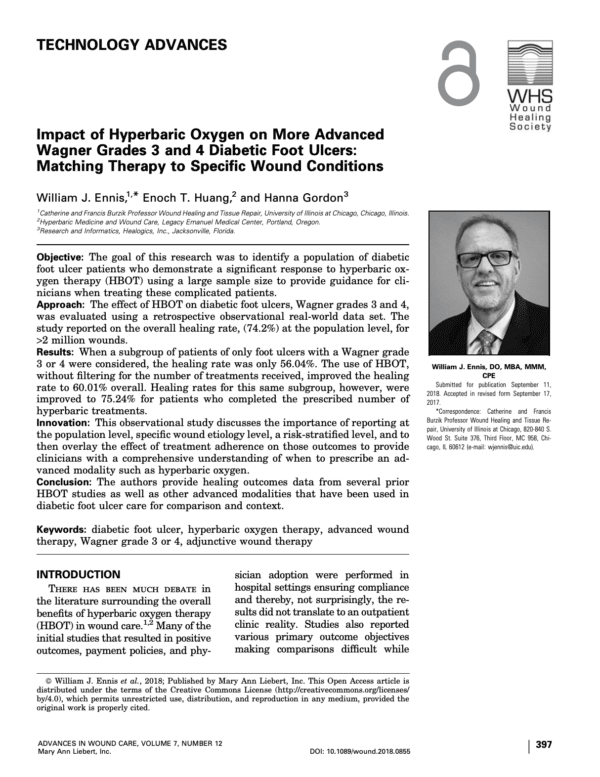
The goal of this research was to identify a population of diabetic foot ulcer patients who demonstrate a significant response to hyperbaric oxygen therapy (HBOT) using a large sample size to provide guidance for clinicians when treating these complicated patients.
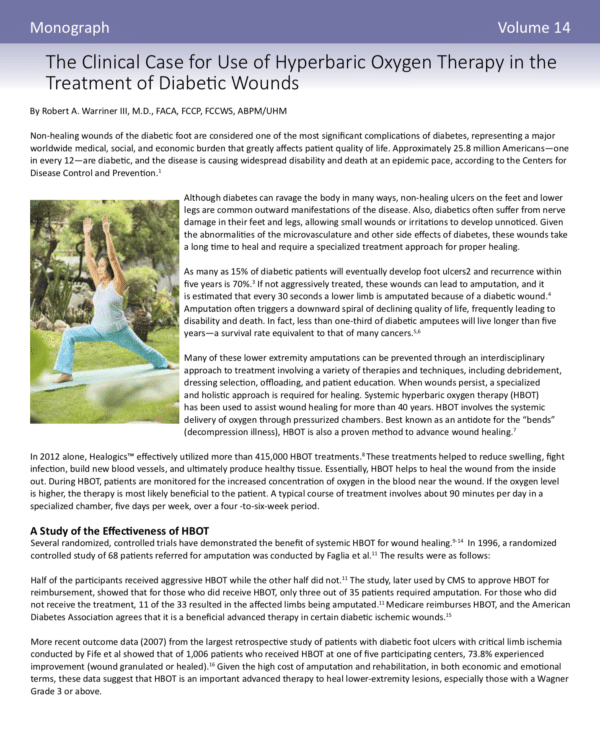
Although diabetes can ravage the body in many ways, non-healing ulcers on the feet and lower legs are common outward manifestations of the disease. Also, diabetics often suffer from nerve damage in their feet and legs, allowing small wounds or irritations to develop unnoticed. Given the abnormalities of the microvasculature and other side effects of diabetes, these wounds take a long time to heal and require a specialized treatment approach for proper healing.
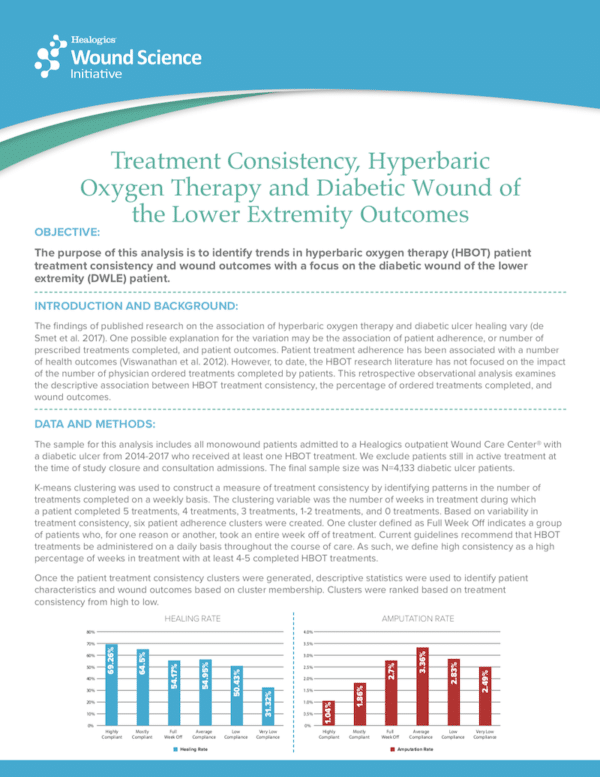
The purpose of this analysis is to identify trends in hyperbaric oxygen therapy (HBOT) patient treatment consistency and wound outcomes with a focus on the diabetic wound of the lower extremity (DWLE) patient.