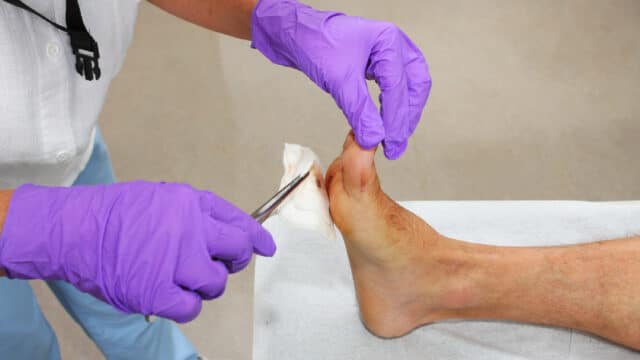
A Guide to Skin Care for Wounds
Proper skin care is crucial for effective wound healing. When your skin is compromised by a cut, scrape, or a more serious wound, the right care can prevent infection, reduce scarring, and speed up the recovery process. This guide provides essential do’s and don’ts to help you care for your skin and support your body’s natural healing abilities.
Why Skin Care Matters for Wound Healing
The skin is your body’s first line of defense against infection. When that barrier is broken, it’s important to keep the area clean and protected. Good skin care helps to:
- Prevent Infection: Keeping the wound and surrounding skin clean reduces the risk of harmful bacteria entering the body.
- Promote Faster Healing: A clean, moist environment encourages new cell growth and helps the wound close more quickly.
- Minimize Scarring: Proper care can reduce inflammation and support the growth of healthy new tissue, leading to less noticeable scars.
- Improve Comfort: Gentle handling and appropriate moisturizing can alleviate itching and discomfort as the wound heals.
Daily Skin Care: The Do’s and Don’ts
Do’s
- Check your skin daily for dryness, cracks, sores, bruises, reddened areas, and blisters. Have someone help you or check for you if you are unable to do it yourself.
- Treat the skin gently without stretching, tugging, or pulling on it unnecessarily.
- Cleanse the skin with a mild, pH-balanced product.
- Use warm (not hot) water for cleansing/bathing.
- Use a very soft nail brush to clean nails and crusty skin areas.
- Rinse well to remove all residue of the cleanser from the skin.
- Gently pat the skin dry, paying special attention to all skin folds and creases, including the area between, under, and around the toes.
- Moisturize the skin after cleansing. You may leave a light film of moisture on the skin just prior to applying the lubricating product.
- Lubricate dry skin with a heavier barrier-type product after moisturizing.
- Wear soft, breathable clothing to minimize friction and irritation.
- Drink adequate amounts of water to stay well-hydrated, which supports overall skin health.
- For extra protection at night, wear white cotton socks for feet and gloves for hands if indicated.
- You may use a baking soda-based or equivalent powder for foot care if perspiration is a problem. It will help with odor and moisture control. Apply by sprinkling on the hands, dusting off the excess, and gently rubbing onto the skin.
- If you are using tape to secure a dressing, place the tape on the dressing only, not on the skin.
Don’ts
- Don’t bathe in hot water. Hot water can strip the skin of its natural oils and cause irritation.
- Don’t soak for more than five minutes. Prolonged soaking can lead to skin maceration (softening and breaking down of the skin).
- Don’t use skin care products with alcohol and/or an extensive list of preservatives.
- Don’t use lanolin, coal tar, or petrolatum-based products if you have sensitive skin.
- Don’t use abrasive or rough washcloths for skin care.
- Don’t scratch dry, itching areas. Scratching can cause further skin damage and increase the risk of infection.
- Don’t apply tape of any kind to dry, sensitive, or fragile skin.
- Don’t neglect new areas of irritation, soreness, or discomfort on the skin.
- Don’t apply lotion or creams between the toes, only to the top and bottom of the foot.
When to Seek Professional Wound Care
While many minor wounds can be cared for at home, it’s important to recognize when professional medical attention is needed. Seek care from a healthcare provider if you notice any of the following:
- Signs of Infection: Increased redness, swelling, warmth, pus, or a foul odor from the wound.
- No Improvement: The wound has not shown any signs of healing within two weeks.
- Increased Pain: The pain from the wound is getting worse instead of better.
- Fever: You develop a fever of 100.4°F (38°C) or higher.
- Numbness or Tingling: You experience a loss of sensation or a tingling feeling around the wound.
- Deep Wounds: The wound is deep, has jagged edges, or you cannot get it to stop bleeding.
Frequently Asked Questions
What is the best way to clean a wound?
The best way to clean a wound is to gently rinse it with clean, running water and a mild, pH-balanced soap. Avoid using harsh chemicals like hydrogen peroxide or alcohol, as they can damage the healing tissue.
How often should I change my wound dressing?
The frequency of dressing changes depends on the type and severity of the wound. Follow the specific instructions given by your healthcare provider. Generally, dressings should be changed if they become wet, dirty, or soaked with fluid from the wound.
What should I eat to promote wound healing?
A balanced diet rich in protein, vitamins (especially A and C), and minerals like zinc is essential for wound healing. Staying hydrated by drinking plenty of water is also crucial for supporting the growth of new tissue.
Can I shower with a wound?
Whether you can shower with a wound depends on the type of dressing you have. Some dressings are waterproof, while others are not. It is best to ask your healthcare provider for specific instructions on how to keep your wound dry while bathing.
Any wound that has not started to heal in two weeks or is not completely healed in six weeks may benefit from specialized wound care. Ask your regular physician if a referral to a Wound Care Center® might be the right option for you.
Take the Next Step in Your Healing Journey
If you have a wound that is not healing, don’t wait. The specialized care offered at a Healogics-managed Wound Care Center® can make a significant difference in your recovery. Our team of experts uses advanced treatments to help you heal and get back to the life you love. Contact us today to find a center near you and request an appointment.