Effective Strategies for Wound Prevention: Reducing the Risk of Injury and Infection
At Healogics, we believe that preventing wounds is far more effective than treating them. Our mission, FIND. TREAT. HEAL.™ focuses on helping patients and caregivers understand that many wounds are preventable through education, vigilance, and consistent use of evidence-based strategies.
For individuals with risk factors like diabetes, poor circulation, advanced age, or limited mobility, wound prevention becomes especially critical. The consequences of even minor wounds can be severe for high-risk individuals, potentially leading to infections, prolonged healing times, hospitalizations, or, in severe cases, amputation.
Throughout this guide, we will share comprehensive wound-prevention strategies covering essential areas, including daily skin care and inspection, diabetic foot care, pressure injury prevention, fall prevention, vascular disease management, and education on chronic conditions. Our goal is to empower you with practical, actionable information to reduce your risk of injury and improve your quality of life.
Understanding Your Personal Wound Risk Factors
Some individuals face significantly higher wound risk due to age, chronic health conditions, medications, or lifestyle factors. By identifying these risk factors, you can focus your prevention efforts where they matter most.
Diabetes represents one of the most significant wound risk factors we encounter in our healthcare practice. This condition increases the risk of wound complications through multiple mechanisms. First, nerve damage (neuropathy) reduces sensation, so you may not notice a cut, blister, or pressure area until it becomes serious. Second, poor circulation limits the oxygen and nutrients needed for healing. Third, elevated blood sugar impairs immune function, increasing the risk of infections and making them harder to fight.
Additional risk factors that increase wound susceptibility include peripheral vascular disease, which reduces blood flow to extremities; immunosuppression from conditions like cancer or medications like chemotherapy or steroids; limited mobility that creates sustained pressure on skin; nutritional deficiencies that compromise skin integrity; and medicines like blood thinners that increase bleeding risk or corticosteroids that impair healing.
We encourage everyone to conduct a risk assessment with their healthcare provider. Understanding your specific vulnerabilities allows you to implement targeted preventive measures for wounds and remain vigilant for early warning signs.
Daily Skin Care and Inspection
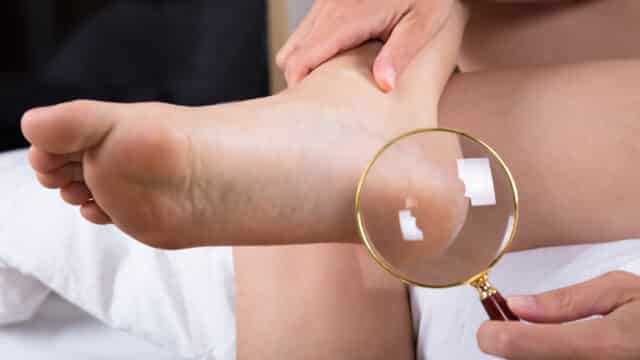
Daily skin inspection is one of the simplest yet most effective wound-prevention techniques available. For high-risk individuals, particularly those with diabetes or limited sensation, this practice is essential and should become as routine as brushing your teeth.
Your daily inspection should include checking all areas of your body, with particular attention to your feet, legs, and pressure points. Look for redness that doesn’t fade when pressed, blisters, cuts, cracks, dry skin, color changes, swelling, or any area that feels warmer than the surrounding skin. We recommend using a mirror to check areas you cannot see easily, or asking a family member or caregiver to help with hard-to-reach areas.
Proper skin care techniques protect your skin’s natural barrier and prevent breakdown. We recommend gentle cleansing with mild, fragrance-free soap and lukewarm water. Avoid hot water, which can dry skin and reduce sensitivity. After washing, dry your skin thoroughly, paying special attention to areas between toes and in skin folds where moisture can cause maceration and breakdown.
Apply moisturizer to prevent cracking and maintain skin elasticity, but avoid applying it between toes, where excess moisture can promote fungal infections. Choose moisturizers without alcohol, which can be drying. Protect your skin from extreme temperatures; both heat and cold can damage it, especially if you have reduced sensation.
Consistent daily skin care and inspection are cornerstones of wound prevention in long-term care facilities and home settings alike. These simple practices take only minutes but can prevent wounds that might require months of treatment.
Preventing Diabetic Foot Wounds
People living with diabetes face 25 times higher amputation risk compared to those without the disease, and most amputations are preceded by preventable foot ulcers. At Healogics, we have treated diabetic foot wounds for over thirty years, and we know that many could have been prevented or reduced with proper foot care and early intervention.
Proper footwear selection is crucial. Shoes should fit properly without being too tight or too loose, accommodate any foot deformities, provide adequate cushioning, and have a protective sole. We recommend wearing diabetic socks that don’t constrict circulation. Look for socks without tight elastic bands. Break in new shoes gradually, wearing them for only an hour or two at first, and check your feet afterward for any redness or pressure points.
Controlling blood sugar is fundamental to preventing injuries and promoting healing. High blood sugar damages blood vessels and nerves while impairing immune function. Work with your healthcare team to maintain blood sugar in your target ranges.
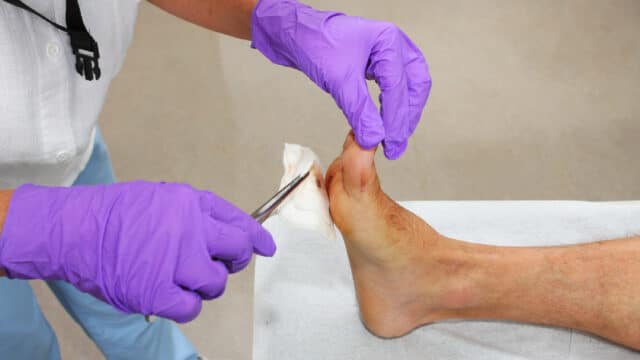
Regular podiatric care prevents problems before they become wounds. A podiatrist can properly trim toenails, safely remove calluses, identify foot deformities, and recommend appropriate footwear. We strongly recommend that people with diabetes see a podiatrist regularly rather than attempting to treat foot problems themselves.
Warning Signs That Require Immediate Attention
People with diabetes must seek immediate medical evaluation for certain foot problems that could rapidly progress to serious wounds or infections. At any stage of concern, prompt attention makes the difference between a minor problem and a major complication.
Warning signs requiring immediate attention include any break in the skin, no matter how small; redness or warmth that could indicate infection; blisters or calluses that could hide underlying damage; changes in foot shape; drainage or odor; and loss of protective sensation. Even seemingly minor foot problems can quickly become limb-threatening in people with diabetes.
If you have diabetes and notice any of these warning signs, seek medical evaluation immediately. Do not adopt a “wait and see” approach. Early intervention prevents minor problems from becoming chronic wounds requiring months of specialized treatment.
Pressure Injury Prevention
Pressure injuries develop when sustained pressure reduces blood flow to the skin and underlying tissue. Without adequate blood flow, cells become damaged, and tissue begins to die. These wounds are highly preventable through repositioning, pressure redistribution, proper skin care, and adequate nutrition.
Frequent repositioning is the foundation of pressure injury prevention. If you are bedridden, you should change position at least every two hours. If you use a wheelchair, shift your weight every 15-30 minutes to relieve pressure on vulnerable areas. High-risk areas include the sacrum (tailbone area), heels, hips, elbows, and the back of the head.
Pressure-redistributing surfaces play a crucial role in wound prevention strategies. Specialized mattresses and cushions distribute weight more evenly, reducing pressure on any single area. These range from foam overlays to advanced alternating-pressure mattresses that continuously adjust pressure points. We work with patients to identify the appropriate support surface based on their individual risk factors and mobility level.
Proper positioning techniques with pillows prevent bony areas from touching. For example, when lying on your side, place a pillow between your knees. When lying on your back, place pillows under your calves to keep your heels off the mattress. Maintain the head of the bed at 30 degrees or less to reduce shearing forces, the damaging friction that occurs when skin moves in one direction while the underlying bone moves in another.
Check positioning devices and medical equipment regularly to ensure they are not creating pressure areas. We have seen pressure injuries develop under oxygen tubing, catheters, and other medical devices, so vigilance extends beyond traditional pressure points.
Nutrition and Hydration for Skin Health
Adequate nutrition and hydration are essential for maintaining skin integrity and preventing pressure injuries, yet these preventive strategies are frequently overlooked. Your skin requires specific nutrients to maintain its protective function and repair minor damage before it becomes a wound.
Protein provides building blocks for skin structure and repair. Individuals at risk for pressure injuries should consume adequate protein daily. Your healthcare provider can determine your specific needs. Good protein sources include lean meats, fish, eggs, dairy products, beans, and legumes.
Vitamins and minerals support skin health through various mechanisms. Vitamin A helps maintain skin structure; vitamin C is essential for collagen production; and zinc supports tissue maintenance and immune function. Adequate calories prevent the body from breaking down existing tissue for energy, which compromises skin integrity.
Hydration maintains skin elasticity and supports cellular function. We recommend that most adults consume at least eight glasses of water per day, though individual needs vary based on body size, activity level, and health status. Signs of dehydration include dry skin, decreased skin turgor, and dark urine.
Individuals with limited mobility should work with healthcare providers or dietitians to ensure adequate nutritional intake. Many at-risk individuals experience reduced appetite, difficulty eating, or underlying conditions that increase nutritional needs. Nutritional supplementation may be necessary for those who cannot meet their needs through a regular diet alone.
Fall Prevention to Avoid Traumatic Injuries
Falls cause many traumatic wounds, from minor skin tears to serious lacerations requiring surgical closure. Environmental modifications, physical strengthening, proper footwear, vision correction, and medication management work together to significantly reduce fall risk and prevent wound infections that can follow injuries.
Home safety modifications represent a critical first step in preventing injuries. Remove tripping hazards, including loose rugs, electrical cords, and clutter, from walkways. Install grab bars in bathrooms, particularly near toilets and in showers. Ensure adequate lighting throughout your home, with night lights in bedrooms, bathrooms, and hallways. Use non-slip mats in bathrooms and consider adding handrails on both sides of stairways.
Physical factors significantly influence fall risk. Maintain strength and balance through regular exercise—activities like tai chi have been shown to reduce fall risk in older adults. Use assistive devices as recommended by your healthcare team, such as a cane, walker, or wheelchair. Wear proper footwear with non-slip soles, and avoid high heels or loose slippers, which can cause tripping. Have your vision checked regularly and update prescriptions as needed.
Review medications with your healthcare provider, as some increase fall risk through side effects such as dizziness, drowsiness, or low blood pressure. Never stop medications without consulting your provider, but do discuss whether alternatives with fewer fall-risk side effects are available.
At Healogics, we understand that preventing wounds through fall prevention requires a comprehensive approach. Small modifications to your home and lifestyle can significantly reduce the risk of injury and help you maintain independence.
Wound Prevention for People with Vascular Disease
Poor circulation from vascular disease creates unique wound risks. Limited blood flow reduces oxygen and nutrient delivery needed for healing and impairs the immune response. This combination means that even minor wounds can become chronic ulcers requiring months of specialized treatment at a wound care site.
People with vascular disease should inspect their legs and feet daily for any changes, including skin discoloration, temperature changes, swelling, or breaks in the skin. Avoid walking barefoot and protect your legs from bumps and scrapes. Wear long pants when doing yard work or other activities where legs might be injured.
When prescribed by your healthcare provider, compression stockings improve circulation and reduce swelling that can lead to skin breakdown. Wear them as directed, typically putting them on first thing in the morning before swelling begins. Properly fitted compression is essential, as stockings that are too tight can worsen circulation.
Elevate your legs when sitting to reduce swelling and improve circulation. Keep legs and feet at or above heart level when possible. Avoid crossing your legs, which restricts blood flow. Exercise regularly within your abilities. Even slow walking improves circulation when done safely.
Manage underlying vascular conditions through prescribed medications, blood pressure control, cholesterol management, and smoking cessation. Smoking is particularly damaging to circulation and wound healing.
People with vascular disease should seek medical attention for any leg or foot wound, no matter how minor it appears. What seems like a small scrape can quickly become a serious chronic wound when circulation is compromised. Early intervention provides the best outcomes.
Workplace and Recreational Safety
Many traumatic wounds result from preventable workplace accidents, sports injuries, or recreational activities. Safety awareness and appropriate protective measures significantly reduce the risk of injury.
Workplace safety begins with using the appropriate personal protective equipment for your job. This might include safety glasses, gloves, steel-toed boots, hard hats, or protective clothing. Follow all safety protocols established by your employer; these guidelines are in place to prevent injuries. Maintain equipment properly and keep work areas clean and organized to reduce the risk of accidents.
Recreational safety requires wearing appropriate protective gear for sports and activities. Helmets, knee pads, elbow pads, and other protective equipment prevent traumatic injuries. Use proper technique and equipment for your chosen activities. Improper form or faulty equipment increases the risk of injury. Know your personal limits and avoid pushing beyond your skill level or physical capabilities.
For high-risk individuals with diabetes, vascular disease, or other conditions that impair healing, extra caution is warranted. A minor injury that a healthy person might shrug off could become a serious problem requiring extensive treatment. We encourage our patients to take proactive steps and avoid higher-risk activities to protect themselves rather than face the consequences of preventable injuries.
Managing Chronic Conditions to Prevent Wounds
Properly managing underlying health conditions is fundamental to preventing and managing wounds, particularly chronic diseases that impair healing or increase susceptibility to injury. At Healogics, we consistently see how well-controlled chronic conditions translate to lower wound risk and better outcomes when wounds do occur.
Uncontrolled diabetes damages blood vessels and nerves throughout the body. High blood sugar acts like sandpaper on blood vessel walls, causing damage that accumulates over time. This damage reduces circulation, limits healing capacity, and increases the risk of infection. Maintaining blood sugar within target ranges significantly reduces the risk of complications. Work closely with your healthcare team to achieve optimal control through diet, exercise, medications, and regular monitoring.
Cardiovascular disease management includes controlling blood pressure and cholesterol through lifestyle modifications and prescribed medications. High blood pressure damages small blood vessels, reducing the oxygen delivery essential for wound healing. Elevated cholesterol contributes to arterial blockages that severely compromise circulation to extremities.
Autoimmune conditions often require immunosuppressive medications, which increase the risk of infection. While these medications are necessary to control the underlying condition, they do impair your body’s ability to fight infections. If you take immunosuppressive drugs, meticulous wound prevention becomes even more critical, and any wound requires prompt medical evaluation.
Nutritional status affects wound prevention and healing. Conditions that compromise nutrition, whether through reduced intake, malabsorption, or increased metabolic demands, should be managed under the guidance of a healthcare provider. Address underlying causes and consider nutritional supplementation when dietary intake is insufficient.
At our Healogics-managed Wound Care Centers, we work with patients to understand how their specific health conditions affect their risk of wound complications and which management strategies best protect them. This personalized approach to wound prevention in long-term care and home settings recognizes that each individual faces unique challenges requiring tailored solutions.
When Prevention Isn’t Enough: Recognizing Early Problems
Despite the best prevention efforts, wounds sometimes occur. Early recognition plus prompt treatment can prevent minor problems from becoming serious complications. At Healogics, we emphasize that how quickly you respond to early warning signs often determines whether a wound heals quickly or becomes a chronic problem requiring months of specialized care.
Early warning signs to watch for include persistent redness that doesn’t fade when pressed; skin that feels warmer than surrounding areas, indicating possible inflammation or infection; blisters or skin tears, even if small; any break in skin integrity; and pain or tenderness in at-risk areas, particularly if you usually have reduced sensation.
Seek medical evaluation for any wound that doesn’t show any improvement within a few days, signs of infection, including increased pain, warmth, redness spreading from the wound, drainage, or fever, wounds in high-risk individuals with diabetes, vascular disease, or compromised immune systems, and recurrent wounds in the same location, which suggest an underlying problem requiring investigation.
We encourage our patients not to adopt a “wait and see” approach with wounds. While many minor injuries heal without intervention in healthy individuals, the same cannot be said for high-risk patients. When in doubt, seek evaluation. It’s far better to have a healthcare provider tell you a wound is healing properly than to delay treatment until a serious problem develops.
Partner with Healogics for Comprehensive Wound Prevention
Effective wound prevention combines daily self-care, environmental safety, chronic disease management, and professional guidance tailored to individual risk factors. We understand that implementing these prevention strategies requires commitment and lifestyle adjustments, but we also know that the alternative: Dealing with a chronic wound, demands far greater time, effort, and impact on quality of life.
For readers who have healed from chronic wounds, we encourage you to maintain regular follow-up care to prevent recurrence. Many chronic wounds recur in individuals who discontinue prevention efforts after healing. Continue the practices that promote skin health, manage underlying conditions, and protect vulnerable areas.
Taking action starts with small steps. Begin implementing the prevention strategies outlined in this guide, starting with daily skin inspection and proper skin care. Address home safety issues that increase the risk of falls. Optimize management of chronic conditions with your healthcare team. These actions, when taken consistently, significantly reduce your risk of wound complications.
If you notice any concerning skin changes, don’t wait to seek evaluation. Contact Healogics or your healthcare provider promptly. Early intervention prevents minor problems from becoming big ones.
We are committed to helping patients and caregivers understand and implement effective prevention strategies that reduce injury risk, prevent wound infections, and improve quality of life. Let us partner with you to keep your skin healthy and prevent wounds before they occur.