How to Heal Deep Wounds Faster: Expert Tips and Techniques
Deep wounds can be concerning, whether they result from surgery, an accident, or another cause. When you’re facing a serious wound, you want answers on how to promote faster, safer healing. At Healogics, our mission is simple: FIND. TREAT. HEAL.™ With more than three decades of specialized wound care experience, we’ve helped millions of patients achieve complete healing, and we’re here to share evidence-based strategies that can help accelerate your recovery.
Proper wound care is critical for preventing complications and achieving optimal healing outcomes. This article provides expert guidance on modern wound care techniques, nutritional strategies, lifestyle modifications, and when to seek specialized treatment. While these tips can support your healing journey, remember that deep wounds require professional medical evaluation and ongoing monitoring.
Understanding Deep Wounds and the Healing Process
Deep wounds differ significantly from superficial cuts or scrapes. While minor wounds affect only the top layers of skin, deep wounds extend through multiple skin layers and may involve underlying tissue, requiring considerably more time to heal. These wounds demand careful attention because they’re more vulnerable to infection and complications.
Your body follows a remarkable four-phase healing process. First, during hemostasis, blood vessels constrict, and clotting begins to stop bleeding. Next comes inflammation, where your immune system sends cells to prevent infection and begin repair. During the proliferation phase, new tissue forms as cells multiply and collagen builds the wound’s foundation. Finally, remodeling occurs over months as the tissue strengthens and matures.
Several factors influence how quickly this healing occurs. Age plays a role, as younger individuals typically heal faster than older adults. Your nutritional status directly impacts your body’s ability to repair tissue. Underlying health conditions like diabetes or vascular disease can significantly slow healing. The wound’s location matters too because areas with better blood supply and less movement heal more efficiently. Perhaps most importantly, the quality of initial wound care sets the trajectory for your entire healing journey.
Immediate Care: First Steps After Injury
The moments immediately following an injury are crucial. Proper first aid reduces complications and accelerates healing. If you’re bleeding, apply direct pressure with a clean cloth or bandage. Maintain pressure for several minutes until bleeding stops. Once controlled, gently clean the wound with clean water or saline solution. Avoid using hydrogen peroxide or alcohol, as these can damage healthy tissue and slow healing. If possible, elevate the injured area above heart level to reduce swelling and blood flow.
However, some situations require emergency care. Seek immediate medical attention if bleeding seems extreme or doesn’t stop after 10 minutes of direct pressure, if the wound is deeper than a quarter inch, if you see fat or muscle tissue, if the wound is contaminated with dirt or debris you cannot remove, if you experience numbness or cannot move the affected area, or if the wound is on your face or crosses a joint. Wounds that may require stitches should be evaluated within 6 to 8 hours for optimal results.
Proper initial care establishes the foundation for faster healing and dramatically reduces your risk of infection and other complications.
Modern Wound Care Techniques and Dressings
One of the most significant advances in wound care involves maintaining proper moisture balance. Research consistently demonstrates that moist wound healing accelerates tissue repair compared to allowing wounds to dry out and form hard scabs. Moisture helps cells move across the wound bed, supports the growth of new tissue, and reduces scarring.
We use several types of advanced wound dressings to maintain optimal healing conditions. Hydrocolloid dressings create a moist environment while absorbing light to moderate drainage. Foam dressings provide excellent absorption for wounds with heavier drainage while cushioning the area. Alginate dressings, made from seaweed derivatives, are ideal for wounds with significant fluid output. Transparent film dressings allow you and your healthcare provider to monitor the wound without removing the covering.
The frequency of dressing changes depends on your wound’s drainage level and your healthcare provider’s recommendations. Some dressings should be changed daily, while others can remain in place for several days. Regular monitoring ensures the wound stays clean and that healing progresses appropriately.
Advanced Treatment Options for Complex Wounds
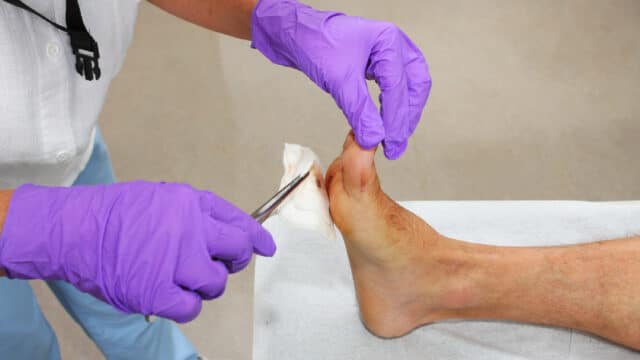
For deep or complex wounds, advanced treatments can significantly accelerate healing. Wound debridement, the removal of dead or infected tissue, is often essential. This procedure removes tissue that interferes with healing and reduces the risk of infection. While it may sound uncomfortable, proper debridement creates a clean wound bed where healthy tissue can grow.
Negative pressure wound therapy, commonly called NPWT or VAC therapy, represents another breakthrough treatment. This technique applies controlled suction to the wound through a specialized dressing. The negative pressure reduces swelling, increases blood flow to the area, removes excess fluid, and draws wound edges together. Studies show NPWT can accelerate healing for certain wound types, making it particularly valuable for surgical wounds, pressure injuries, and traumatic wounds.
For wounds that aren’t responding to conventional treatment, we may recommend bioengineered skin substitutes or growth factor therapies. These cutting-edge options provide a scaffold for new tissue growth or deliver concentrated healing factors directly to the wound bed.
Nutritional Strategies to Speed Healing
Wound healing places extraordinary metabolic demands on your body, requiring significantly more calories and protein than usual. Without adequate nutrition, your body cannot build new tissue effectively.
Several nutrients are particularly critical. Vitamin C is essential for collagen synthesis, the protein that forms the structural foundation of healing tissue. Zinc supports cell division and immune function, helping your body fight infection while building new cells. Vitamin A promotes tissue growth and immune response. B vitamins facilitate the energy metabolism needed to power healing. Don’t overlook hydration; adequate fluid intake ensures nutrients reach the wound site and waste products are removed.
Practical strategies can help you meet these increased nutritional needs. Include a protein source at every meal, such as lean meats, fish, eggs, dairy products, or legumes. Choose protein-rich snacks like Greek yogurt, nuts, or protein shakes between meals. If you’re struggling to consume enough through food alone, ask your healthcare provider about supplements. Even simple changes like adding an extra egg at breakfast or drinking a protein shake in the afternoon can make a meaningful difference in your healing timeline.
Lifestyle Modifications That Accelerate Healing
Your daily habits profoundly impact wound healing. Quality sleep is vital. Aim for seven to nine hours nightly. During deep sleep, your body releases growth hormones and conducts the majority of tissue repair. Research shows that poor sleep can extend healing time by 25% or more. If you’re having trouble sleeping, talk to your healthcare provider about strategies to improve sleep quality.
Blood sugar control matters for everyone, not just people with diabetes. Elevated glucose levels impair white blood cell function, reducing your ability to fight infection. High blood sugar also creates an environment where bacteria thrive. Even if you don’t have diabetes, minimize sugary foods and refined carbohydrates during wound healing.
If you smoke, quitting is the single most impactful change you can make. Smoking constricts blood vessels, reducing the oxygen delivery essential for healing. It can triple healing time and dramatically increase complication risk. We know quitting is challenging, but the benefits to wound healing are immediate and profound. Your healthcare provider can connect you with cessation resources.
Finally, balance activity with rest. Gentle movement promotes circulation and brings oxygen and nutrients to the wound. However, excessive activity can disrupt healing tissue. Follow your healthcare provider’s guidance about activity restrictions, and don’t hesitate to ask questions about what you can safely do.
Recognizing and Preventing Complications
Infection is the most common and serious complication of deep wounds. Warning signs include increasing pain rather than gradual improvement, expanding redness around the wound, warmth to the touch, red streaks extending from the wound site, fever above 100.4°F, thick yellow or green drainage, or foul odor. If you notice any of these symptoms, contact your healthcare provider immediately. Early intervention prevents minor infections from becoming serious.
Prevention is always preferable to treatment. Wash your hands thoroughly before touching your wound or changing dressings. Keep the wound appropriately covered as directed by your healthcare provider. Change dressings on schedule and avoid the temptation to “peek” at the wound between changes. Don’t let others touch your wound.
Even after wounds heal, scarring concerns many patients. You can minimize scarring by maintaining moist healing conditions throughout the healing process, protecting newly healed skin from sun exposure for at least a year, and considering silicone-based scar treatments once the wound has completely closed. While some scarring is inevitable with deep wounds, these strategies can significantly improve cosmetic outcomes.
When to Seek Specialized Wound Care
Some wounds benefit from specialized expertise beyond primary care. If your wound shows minimal progress after two weeks of appropriate care, hasn’t healed within 30 days, or repeatedly breaks down after appearing to heal, it’s time for specialized evaluation. These patterns suggest underlying factors that require advanced assessment and treatment.
Certain conditions particularly benefit from specialized wound care. If you have diabetes, peripheral artery disease, a history of pressure injuries, immunosuppression from any cause, or wounds in areas previously treated with radiation therapy, a specialized wound care team can optimize your outcomes. These conditions create unique healing challenges that require comprehensive expertise.
At specialized wound care centers like those managed by Healogics, you’ll receive a comprehensive assessment, including advanced diagnostic testing to identify barriers to healing. We offer cutting-edge treatments, including negative pressure wound therapy, bioengineered skin substitutes, and other advanced modalities. We also coordinate care among wound care specialists, primary care providers, and other specialists as needed. This team approach addresses all factors affecting your healing.
Take the Next Step Toward Complete Healing
Deep wound healing requires time, patience, and the right approach. The evidence-based strategies we’ve discussed, proper wound care techniques, optimal nutrition, lifestyle modifications, and timely professional intervention, can substantially reduce healing time and prevent serious complications. While healing won’t happen overnight, consistent application of these principles supports your body’s remarkable ability to repair itself.
If you’re dealing with a slow-healing or non-healing wound, don’t wait. Early referral to advanced wound care produces better outcomes than delaying until wounds become chronic. At Healogics, we’ve developed protocols and expertise specifically designed to heal complex wounds that haven’t responded to conventional treatment.
Taking the next step is straightforward. Contact us to schedule an evaluation at your nearest Wound Care Center®. Even complex wounds can heal successfully with the right expertise and treatment approach. Our mission, FIND. TREAT. HEAL.™ reflects our commitment to identifying the barriers to your healing, providing evidence-based treatment, and supporting you through complete wound closure. You don’t have to navigate this journey alone. We’re here to help, every step of the way.