Good Nutrition Is Essential to Wound Healing
Written by Carolyn Shinn, Vice President, Clinical and Quality Process Excellence at Healogics.
Good nutrition plays an important role in wound healing at every stage. During National Nutrition Month and throughout the year, understanding how the right nutrients support the body can make a meaningful difference in healing outcomes.
Why Nutrition Matters in Wound Healing
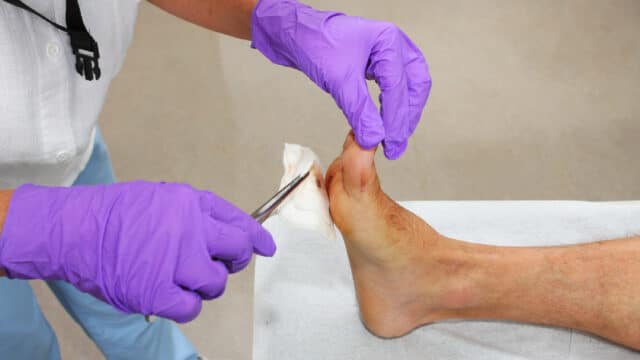
The presence of a chronic wound places additional demands on the body. The immune system must work harder to prevent infection, and new tissue must be formed to close and strengthen the wound. This process requires extra energy and building blocks, which come from food.
Calories provide the energy needed for healing, while protein is required for the growth and repair of cells. Without enough nutrition, the body may struggle to maintain muscle mass, fight infection, or regenerate healthy tissue, all of which can slow healing.
Nutrition Challenges for Older Adults
Maintaining good nutrition can be especially challenging for older adults, particularly those living with chronic wounds. Loss of lean body mass can occur when calorie and protein intake is too low, and this can interfere with the body’s ability to heal.
A common cause of reduced food intake is a loss of appetite. Several factors may contribute, including certain medications, changes in taste or smell, limited mobility, depression or loneliness, and difficulty accessing healthy meals.
Eating smaller meals more frequently can help make nutrition more manageable. Planning five or six small meals throughout the day may be easier than trying to eat three large meals. Calorie-enriched beverages, such as smoothies or protein-fortified drinks, can also be a helpful way to increase intake when appetite is limited.
Key Nutrients That Support Healing
Protein is essential for cell health and tissue repair. It supports the formation of new skin, blood vessels, and immune cells that protect against infection. In addition to protein, several vitamins and minerals play important roles in wound healing.
Vitamin A supports immune function and skin health. Vitamin C is necessary for collagen production, which helps strengthen new tissue. Zinc contributes to cell growth and tissue repair. Together, these nutrients support the body’s natural healing processes.
Because nutritional needs vary from person to person, it is important to discuss individual requirements with a healthcare provider or wound care specialist.
Foods That Support Wound Healing
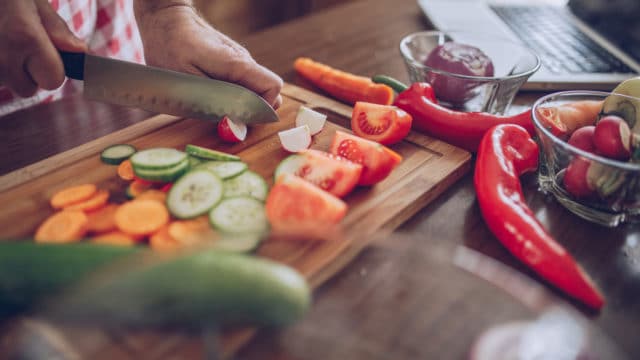
A balanced diet that includes a variety of nutrient-rich foods can help support healing.
Protein-rich foods include:
- Eggs
- Lean meats
- Dairy products such as milk, cheese, and yogurt
- Beans and legumes
- Nuts and nut butters
Foods high in Vitamin A include:
- Dark green leafy vegetables
- Orange and yellow vegetables
- Orange fruits
- Fortified dairy products
- Liver
Foods high in Vitamin C include:
- Citrus fruits
- Berries
- Broccoli, cabbage, and cauliflower
- Peppers
- Tomatoes
- Spinach
Foods high in Zinc include:
- Red meats
- Seafood
- Fortified cereals
Following a diet recommended by a healthcare provider is important, especially for individuals with chronic wounds or other medical conditions. If nutrition has not been discussed as part of a care plan, it is a good idea to ask about calorie and protein needs at the next appointment.
Making Nutrition Part of a Healing Plan
Nutrition is one important component of a comprehensive wound care plan. Whether you are living with a non-healing wound or caring for someone who is, paying attention to nutrition can help support the body’s ability to heal. Working with a specialized wound care team can ensure that nutrition, treatment, and overall health are addressed together to promote better healing outcomes. Find a Wound Care Center® near you to begin your healing journey.